
Ptilostemon chamaepeuce
Ptilostemon chamaepeuce
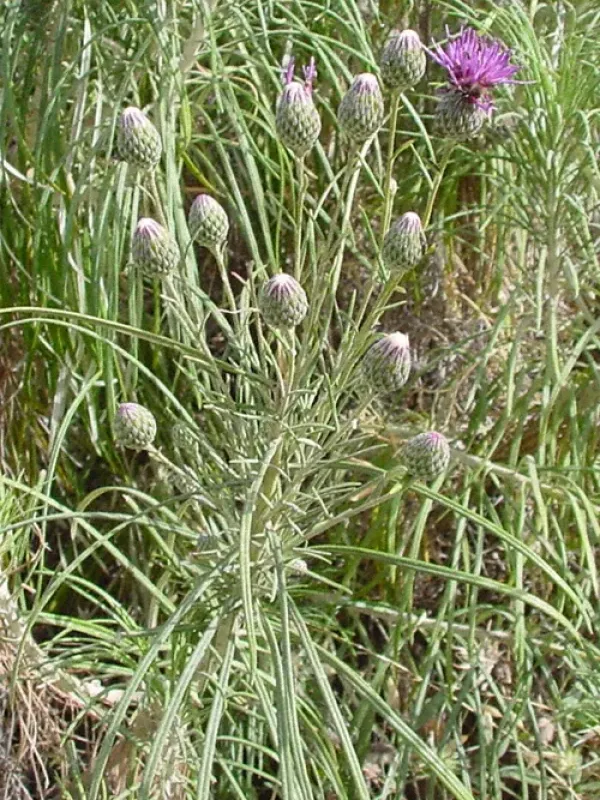
Description
Sowing dates
Propagation of Ptilostemon chamaepeuce is typically achieved through seed sowing or softwood cuttings. Seeds should be sown in a well-draining substrate in late winter, requiring a period of cold stratification to ensure uniform germination.
For outdoor sowing, it is essential to choose a site that is well-warmed and protected from harsh winds. The seeds should be lightly covered with soil to maintain consistent moisture during the initial phase of germination.
Cuttings are often preferred for maintaining the plant's distinct structural characteristics. Cuttings are harvested in early summer and treated with rooting hormones before being placed in a greenhouse environment with controlled humidity.
Spacing is a critical factor for healthy growth, as the plant develops a dense, woody structure. Planting at intervals of 50 to 60 centimeters allows for proper air circulation and prevents overcrowding of the foliage.
Acclimatization of young plants is a vital step in the nursery phase. Moving seedlings to outdoor conditions gradually ensures they are resilient enough to survive the transplantation process into the open ground.
Growing requirements
Ptilostemon chamaepeuce belongs to the Asteraceae family and is an evergreen subshrub native to the Mediterranean region. It is highly valued for its striking cypress-like appearance and drought tolerance.
The species requires soil with excellent drainage, such as sandy or rocky substrates. It does not tolerate heavy, clay-rich soils that retain moisture, as these conditions frequently lead to root decay and overall plant decline.
As a sun-loving plant, it thrives best in full exposure to direct sunlight. Insufficient light results in etiolation of the stems, causing the shrub to lose its natural compact form and reducing its ornamental value.
Climate adaptability is one of its core traits, as it is a xerophytic plant accustomed to hot, dry summers. It is moderately frost-hardy, although protection may be needed in areas where temperatures drop significantly below zero.
This shrub exhibits significant salt tolerance, making it an excellent candidate for coastal landscaping projects. It is a robust choice for xeriscaping where water resources are limited or restricted.
Main diseases and pests
Root rot is the primary threat to the longevity of Ptilostemon chamaepeuce, almost always linked to improper soil moisture management. Ensuring a steep drainage grade is the most effective preventative measure.
Spider mites are common pests that may infest the plant during prolonged dry and hot weather. Monitoring the underside of the foliage for signs of webbing or damage is essential for timely intervention.
Powdery mildew can occur if air circulation is inadequate, especially in humid and stagnant conditions. Pruning dense parts of the shrub to improve airflow is a standard preventative agronomic practice.
Aphids can occasionally colonize young growth points during the spring season. While generally not fatal, they can distort the foliage and weaken the plant, requiring mild insecticidal treatments if left unchecked.
Proper sanitation, including the removal of deadwood or damaged stems after the winter season, helps maintain plant vigor and reduces the likelihood of fungal colonization in the woody stems.