
Ptilostemon stellatus
Ptilostemon stellatus
Description
Growing requirements
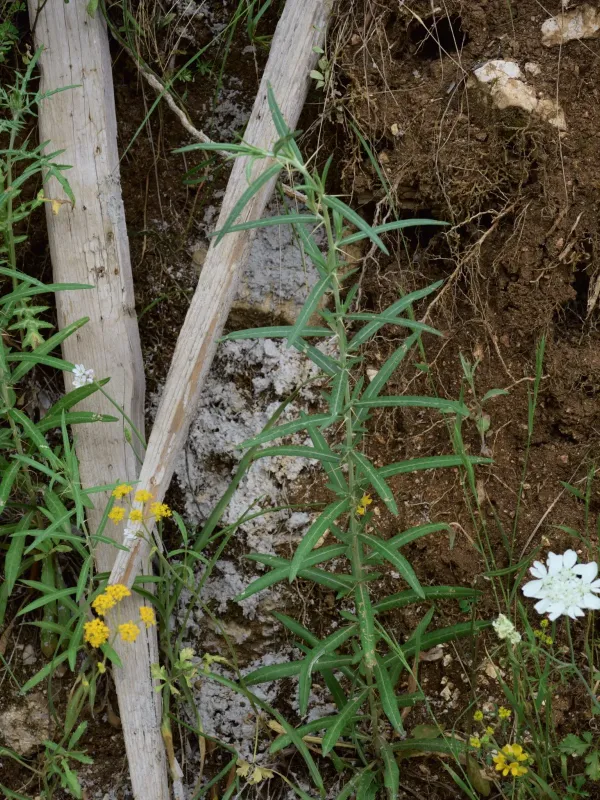
Ptilostemon stellatus is a perennial herbaceous plant belonging to the Asteraceae family. Known for its distinct spiny structure, this species is highly valued in horticulture for its resilience and adaptability to challenging environments where many other crops fail to establish.
Originating from the Mediterranean region, the plant is naturally adapted to arid conditions, stony substrates, and high levels of solar radiation. It thrives in well-drained, calcareous soils that prevent root saturation, which is the primary requirement for healthy growth and long-term vitality.
Botanically, Ptilostemon stellatus features rigid foliage and characteristic flower heads protected by bracts. These adaptations are evolutionary responses to intense sunlight and limited water availability, making it a classic xerophytic species suited for regions with Mediterranean climates.
Agronomic management of this crop is relatively straightforward, focusing on minimal soil disturbance and lack of over-irrigation. In a landscape or small-scale farming context, it requires very little maintenance, including no need for synthetic fertilizers, provided the soil drainage is adequate.
The economic value of this plant lies in its suitability for xeriscaping, erosion control on arid slopes, and as a component of sustainable decorative gardening. By requiring low resource inputs, it represents a model of efficiency in the contemporary plant cultivation industry.
Main diseases and pests
The most significant threat to Ptilostemon stellatus is excessive moisture, which leads to root rot and crown decay. Proper drainage infrastructure is essential to mitigate the risk of losing plant stands during heavy rainfall events.
Pest pressures often include aphids, which can colonize the developing flower heads. Integrated pest management, focusing on biological controls, is recommended to preserve the overall health of the planting area without chemical impact.
Fungal pathogens such as powdery mildew may appear if planting density is too high or if air circulation is insufficient. Ensuring proper spacing during the initial sowing or planting phase is a key preventive measure against such outbreaks.
Weed management is vital during the establishment phase, as the crop is slow to develop in its early stages. Applying a mineral mulch like grit or gravel helps suppress competitive weeds while maintaining the plant's natural habitat characteristics.
Soil-borne pests and larvae can occasionally cause localized damage to the root system. Monitoring the root environment and maintaining soil structure through proper organic management can help plants maintain their natural resistance.