
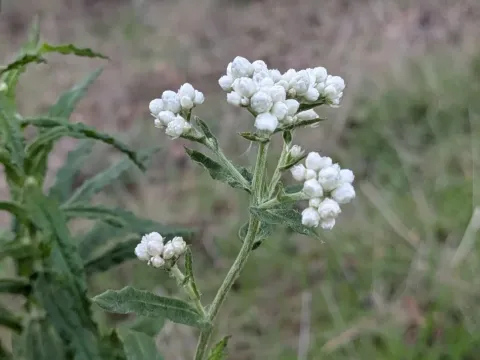
Pseudognaphalium
Pseudognaphalium
Sowing of Pseudognaphalium seeds is typically performed in early spring once soil temperatures reach 15–18 degrees Celsius. For seedling production, seeds should be started indoors in trays filled with a light, well-draining substrate during late February.
What the section contains


Pseudognaphalium
When direct seeding outdoors, it is crucial to wait until all danger of frost has passed, as young seedlings are sensitive to low temperatures during their initial growth phase.
The seeds of this plant are notably tiny, meaning they should be sown on the soil surface and only lightly covered with fine sand or vermiculite to ensure proper light exposure.
Maintaining high humidity is essential for germination; covering trays with clear plastic or glass helps create a stable microclimate until the first true leaves emerge.
When transplanting seedlings to their permanent location, a spacing of 30 to 40 centimeters is recommended to allow for adequate air circulation and root system expansion.
Pseudognaphalium belongs to the Asteraceae family and thrives in areas with full, direct sunlight. The plant is drought-tolerant, which makes it suitable for regions with limited rainfall.
Optimal growth occurs in light, sandy, or loamy soils that possess a neutral to slightly acidic pH and superior drainage capabilities to prevent moisture buildup.
The crop is well-adapted to temperate climates, but in regions with harsh winters, it may require protective covering or should be treated as an annual crop.
Standard agronomic practice involves moderate watering during the active growth season and ceasing irrigation as the plant enters the maturation phase to prevent rot.
Providing adequate spacing between plants is vital, as good airflow helps maintain healthy foliage and prevents the onset of fungal issues common to this genus.
The most significant threat to Pseudognaphalium is root rot, which typically develops in heavy soils where water stagnates or in areas with excessive irrigation.
Powdery mildew can become a problem in densely planted crops, especially during periods of high humidity and poor wind circulation through the plant canopy.
Common insect pests include aphids and spider mites, which are more likely to target the plants during extended periods of heat and moisture stress.
Effective prevention strategy involves strict crop rotation and avoiding the overuse of nitrogen fertilizers, which can make the plants more susceptible to pathogens.
When pest infestations are detected, it is recommended to apply biological controls or gentle horticultural soaps rather than aggressive broad-spectrum chemicals.
Harvesting is best conducted during the peak flowering stage, as this is when the concentration of secondary metabolites and essential oils in the plant tissues is maximized.
The aerial parts of the plant are harvested by cutting the stems, which can stimulate healthy regrowth if the plant is maintained in appropriate conditions.
Drying should be performed in a dark, well-ventilated location to preserve the natural color and medicinal properties of the harvested herb from UV degradation.
Care must be taken not to over-dry the foliage, as the leaves can become brittle and shatter, resulting in the loss of valuable botanical material.
Once dried, the product should be stored in airtight containers or breathable fabric bags in a cool, dry place to maintain quality over an extended period.