
Pseudogynoxys
Pseudogynoxys
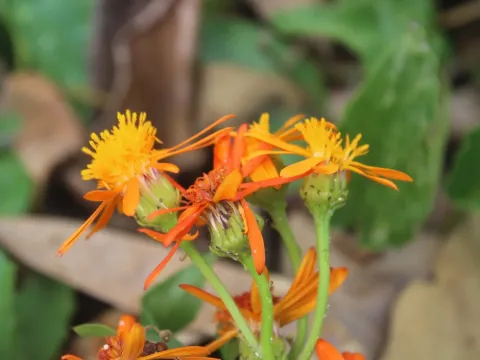
Pseudogynoxys is a genus of flowering plants belonging to the Asteraceae family. The most prominent species in cultivation is Pseudogynoxys chenopodioides, widely known as the Mexican flame vine, valued for its vigorous growth habit and striking, daisy-like orange-red flowers.
What the section contains


Pseudogynoxys
Native to tropical regions of Mexico and Central America, the plant naturally occurs in forest margins and open woodlands. In its indigenous habitat, it climbs over surrounding vegetation using its semi-woody, twining stems, thriving in warm and humid tropical environments.
Botanically, this species is characterized by alternate, serrated leaves and terminal inflorescences. The plant is prized for its ability to cover fences, trellises, or walls rapidly during the growing season, producing a lush display of blooms that are highly attractive to pollinators.
Agricultural requirements for Pseudogynoxys include well-drained, fertile soil with a slightly acidic to neutral pH. Proper soil structure is essential for healthy root development, and cultivators must ensure that the growing medium does not become waterlogged to prevent physiological disorders.
The plant requires bright, indirect sunlight to perform optimally. While it can tolerate partial shade, full sun exposure is necessary for the most prolific flowering. In temperate climates, it is often grown as an annual or a container plant moved indoors during winter months to protect it from frost.
Pests that commonly impact Pseudogynoxys include spider mites, aphids, and mealybugs. These sap-sucking insects often congregate on the undersides of leaves or along the growing tips, sapping the plant of vital nutrients and causing deformation of new foliage if left untreated.
Fungal diseases are primarily linked to environmental conditions, specifically high humidity combined with poor airflow. Root rot and powdery mildew are the most prevalent issues, often triggered by overwatering or placement in stagnant air, which encourages fungal spore germination.
Effective management strategies start with cultural practices such as regular pruning to improve air circulation within the plant canopy. Pruning also helps remove potentially infested or infected foliage, thereby reducing the localized pressure from pests and diseases.
If chemical intervention is required, growers should select appropriate acaricides or insecticides, ensuring thorough coverage of the plant parts affected. It is vital to follow label instructions carefully to avoid phytotoxicity, as the foliage of some vines can be sensitive to heavy chemical concentrations.
Preventative care through consistent observation is the cornerstone of a successful crop. By monitoring soil moisture levels and inspecting the plant weekly, growers can detect and address minor issues before they escalate into significant outbreaks that jeopardize the health of the vine.