
Ptilostemon afer
Ptilostemon afer
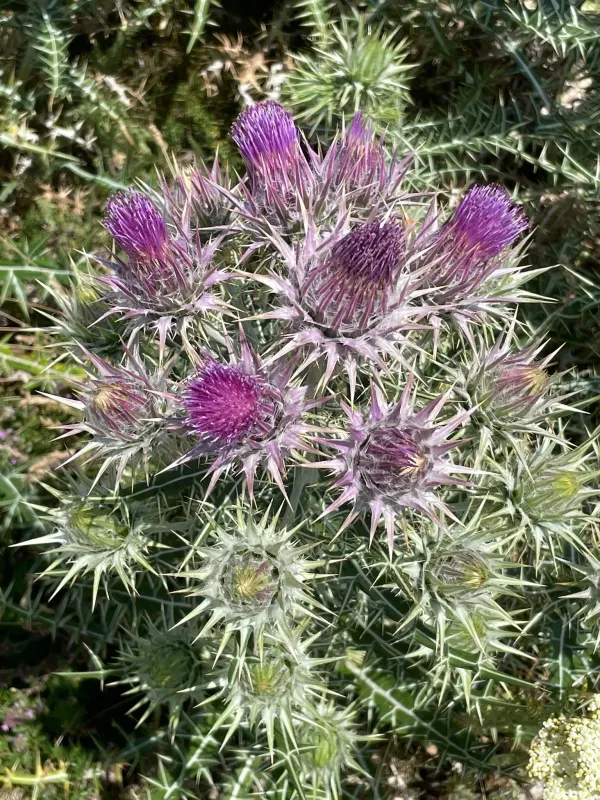
Description
Growing requirements
Ptilostemon afer is a striking perennial herb belonging to the Asteraceae family. Originating from the Mediterranean region, particularly the Balkan Peninsula, this plant is well-adapted to rocky habitats and exposed sunny slopes.
The cultivation of this species requires full sun exposure for optimal development. Ptilostemon afer thrives in sites where other plants might struggle due to high solar radiation and intense heat, making it an excellent candidate for xeriscaping.
The soil requirements for this plant are specific: it demands extremely well-drained substrate. It prefers rocky, calcareous, or sandy soils where water can move freely, preventing moisture accumulation around the roots, which is critical for its long-term survival.
Regarding climate, Ptilostemon is known for its remarkable drought tolerance. However, it is moderately hardy and requires winter protection in cooler climates, specifically avoiding soil saturation during the freezing months to prevent crown rot.
Botanically, it features spiny, pinnatisect leaves and distinct thistle-like flower heads. The silver foliage texture adds significant aesthetic value, making it highly sought after by gardeners specializing in Mediterranean-style or alpine garden design.
Main diseases and pests
The primary health risk for Ptilostemon afer is root rot, which typically stems from poor soil drainage or excessive humidity. Ensuring the soil structure is loose and well-aerated is the best preventative strategy against these pathogens.
Insect pests, such as aphids and spider mites, may colonize the plants during periods of extreme heat and prolonged drought. Monitoring the undersides of the leaves is essential for early detection of these populations.
Fungal diseases like powdery mildew can occur if there is insufficient airflow around the plant or high atmospheric humidity. Managing plant density and pruning dead foliage helps maintain a healthy microclimate around the specimen.
Chemical control should be used judiciously, prioritizing cultural practices such as deadheading and clearing debris to minimize the risk of infection. Avoiding nitrogen-rich fertilizers is also advised to prevent succulent, disease-prone growth.
Overall, Ptilostemon afer is a low-maintenance plant that flourishes when its environmental requirements, particularly soil moisture and drainage, are strictly observed.