
Dipteracanthus prostratus
Dipteracanthus prostratus
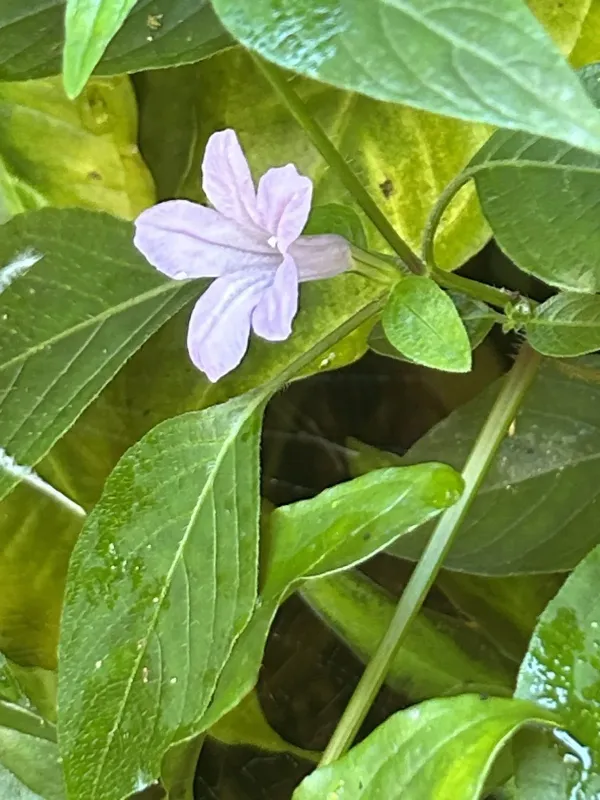
Description
Sowing dates
Dipteracanthus prostratus is a perennial herb belonging to the Acanthaceae family. Seed propagation is the primary method of reproduction, usually occurring after the monsoon period in its native habitat.
For cultivation purposes, seeds should be sown in a well-draining soil mix at a depth of 1 to 2 centimeters. Consistent moisture is crucial for the germination process during the first two weeks.
Maintaining a temperature range of 22–28 degrees Celsius ensures optimal seedling development. Protecting young plants from direct, intense sunlight is recommended until they establish a strong root system.
Vegetative propagation via stem cuttings is also a viable method for uniform crop production. Cuttings should be taken during the active growing season and placed in a moist, sandy substrate.
Spacing between plants should be at least 40–50 centimeters to allow for the horizontal growth habit typical of this species, ensuring adequate airflow between individual bushes.
Growing requirements
The plant thrives in loose, sandy-loam soils with a neutral pH. Good soil structure is essential for root health, as compacted soil can significantly hinder plant vigor and development.
Dipteracanthus prostratus requires full sun exposure to thrive, although it can tolerate light afternoon shade in regions characterized by extreme heat and high solar radiation.
Water requirements are moderate; the soil should be kept consistently moist but never waterlogged. Proper drainage is the most critical factor in preventing physiological stress in this species.
The climate must be tropical or subtropical, as the plant does not possess tolerance for freezing temperatures. It is best suited for cultivation in zones with a long, frost-free growing season.
Fertilization should focus on balanced NPK applications in early spring to encourage lush vegetative growth and potential flower production throughout the warmer months.
Main diseases and pests
Fungal infections, such as leaf spot, are the most frequent health issues, typically triggered by high humidity levels or poor air circulation within the plant canopy.
Spider mites represent a significant threat during dry spells. These pests colonize the underside of leaves, causing yellowing and premature leaf drop if not managed promptly.
Aphid infestations on tender apical shoots can stunt growth and weaken the plant. Integrated pest management, including the use of neem-based solutions, is highly recommended.
Root rot is a major risk in heavy or poorly drained soils. Preventive measures include incorporating organic matter to improve structure and strictly avoiding overwatering.
Competition from invasive weeds can drastically reduce crop yield. Regular weeding cycles are necessary to ensure the plant has access to adequate soil nutrients and sunlight.