
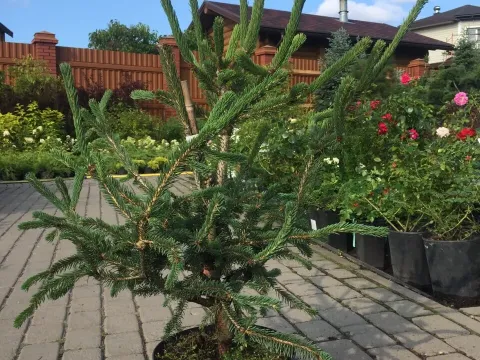
Retroflex spruce
Picea retroflexa
The Retroflex spruce (Picea retroflexa) belongs to the Pinaceae family and is native to the high-altitude regions of Western China, specifically Sichuan province, where it adapts to unique mountain ecosystems.
What the section contains
Retroflex spruce
As an agricultural and horticultural subject, it thrives in well-drained, acidic to neutral soil types. Waterlogging is detrimental to its shallow root system, making site selection critical for survival.
Climate requirements for Picea retroflexa involve cool, moist growing seasons and cold winters. It is well-adapted to high-elevation microclimates, showing significant resilience to harsh mountain conditions.
Proper cultivation management requires moderate sunlight exposure. In hot regions, partial shade is highly recommended for young trees to prevent desiccation and heat stress during the summer months.
The species is highly valued in landscape design for its unique, curved needles and structural elegance, making it an excellent candidate for specialized conifer collections or mountain-themed gardens.
Fungal pathogens such as needle cast diseases represent the most frequent threat to the Retroflex spruce, particularly in humid or stagnant air environments where moisture accumulates.
Insect pests, including various species of aphids and spider mites, can severely damage the foliage, leading to chlorosis and stunted growth of the terminal shoots.
Effective pest management involves integrated monitoring and the use of targeted biological controls or appropriate acaricides to maintain the aesthetic and physical health of the tree.
Root rot, often caused by poor drainage, remains a primary physiological threat. It is essential to monitor soil moisture levels to ensure the roots remain healthy and aerated throughout the year.
Maintenance pruning of dead or diseased branches is a standard protocol to reduce the risk of secondary infections and improve overall airflow through the spruce canopy.