
Sabin pine
Pinus sabiniana
Description
Sowing dates
Sowing seeds of Pinus sabiniana requires a stratification process, lasting 30 to 60 days in cold, moist conditions to break dormancy and ensure high germination rates for this specific pine species.
The seeds should be planted in a well-draining medium, such as a mix of peat and sand, at a depth of about 1–2 cm to allow proper root development while preventing seed rot.
Optimal germination occurs at temperatures between 18 and 22 degrees Celsius, with seedlings typically emerging within a few weeks when provided with consistent, moderate moisture levels.
Early-stage growth in containers is highly recommended to protect young, vulnerable roots from soil-borne pathogens before transplanting them into their final outdoor location.
Once seedlings reach a robust height of 15–20 cm, they can be acclimated to outdoor conditions, gradually increasing their exposure to direct sunlight and wind.
Growing requirements
As a member of the Pinaceae family, the Sabin pine is uniquely adapted to arid environments, naturally thriving in dry, rocky, or sandy soils where moisture is frequently limited.
The species has a high requirement for full sun exposure, making it essential to site plantations in open areas free from the canopy shade of competing tree species.
Soil texture must be porous; the Sabin pine will not tolerate waterlogged heavy clay soils, which can lead to quick decline and susceptibility to root diseases.
While the tree is exceptionally drought-tolerant, it grows best in climates with moderate winters, though it can survive brief cold snaps down to approximately -15 degrees Celsius.
Maintenance is minimal once the trees are established, as they are naturally programmed to extract nutrients and moisture from challenging, nutrient-poor landscapes.
Yield
The primary economic output of the Sabin pine is its large, edible seeds, which have a long history of use and represent a niche but valuable product for agricultural forestry.
Fruit production is cyclical and usually begins after the tree has reached maturity, which typically occurs after 15 to 20 years of active growth in suitable conditions.
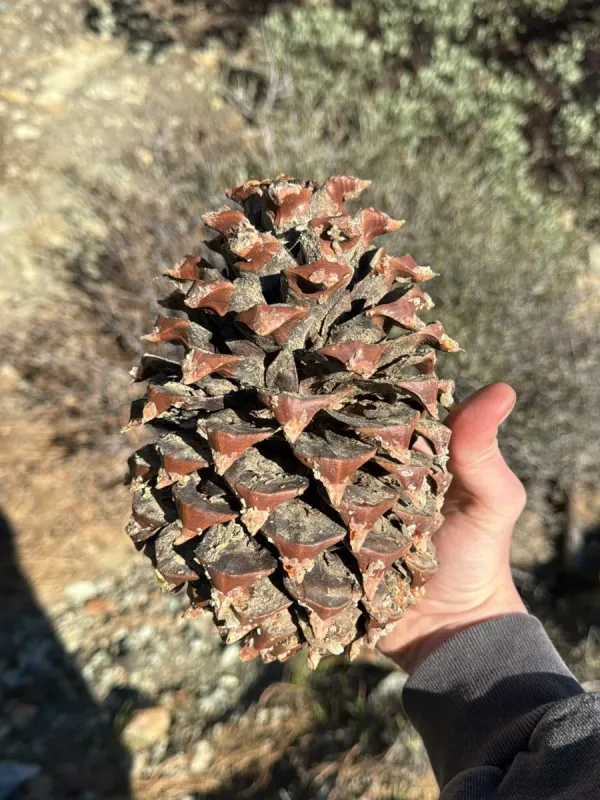
Each tree can produce large, heavy cones containing numerous nutritious seeds, though the harvest volume varies significantly based on environmental stressors and pollination success.
Beyond seed production, the Sabin pine provides significant value in land reclamation, as it can stabilize slopes and prevent soil erosion in environments too harsh for other pines.
The tree's aesthetic, open-crowned growth habit also makes it a viable candidate for sustainable landscaping and agroforestry designs that emphasize native species.
Main diseases and pests
Fungal pathogens such as needle cast or root rots are the most significant threats, particularly when the tree is subjected to excessive humidity or poor soil aeration.
Insects, particularly bark beetles and pine weevils, pose a risk to mature trees, especially if the specimens are already weakened by extreme drought or environmental stress.
Preventative measures include maintaining proper tree spacing to improve airflow and conducting regular sanitary pruning to remove dead or diseased branches before they become host sites.
Early detection of needle discoloration or bark damage is vital; once a tree is heavily infested by wood-boring insects, the chances of successful treatment diminish rapidly.
Integrated pest management strategies should focus on maintaining tree vigor through minimal intervention and avoiding mechanical damage to the trunk or roots during site maintenance.
Harvesting
Harvesting involves collecting the heavy, mature cones in late autumn, ideally just before they fully open on the tree, to maximize seed retention and quality.
Mechanical shaking or careful manual collection is used in commercial settings, followed by a drying period in a sheltered facility to promote cone opening and seed release.
Once the cones open, the seeds are extracted, cleaned of debris and wing remnants, and sorted based on their size and viability for long-term storage or processing.
Proper storage is critical for maintaining seed viability; they must be kept in cool, dry, and rodent-proof environments to prevent molding or loss of nutritional content.
Effective post-harvest handling ensures that the seeds retain their market value, allowing growers to supply the gourmet or botanical markets with high-quality genetic material.