
Moser Spruce
Picea moseri
Description
Growing requirements
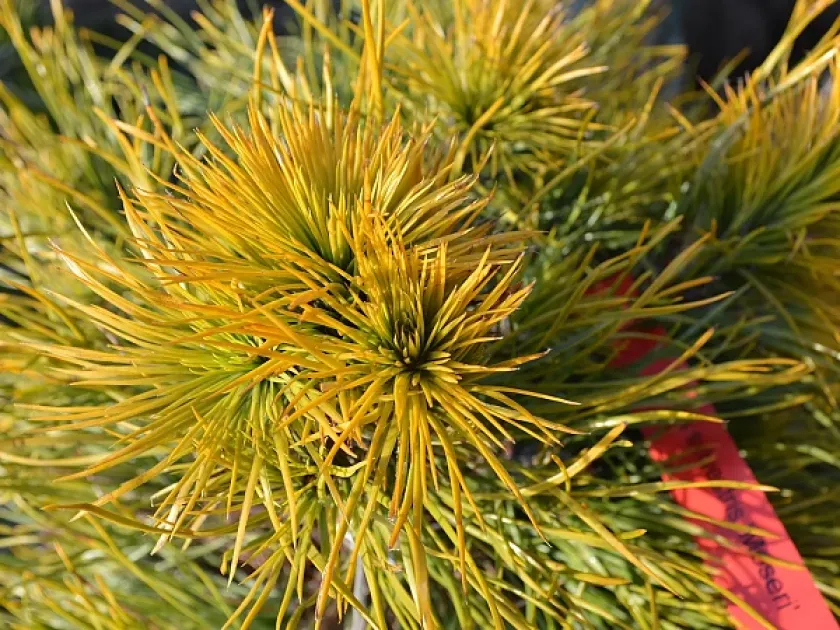
The Moser Spruce, scientifically known as Picea moseri, is a distinctive ornamental cultivar within the Pinaceae family. It is widely recognized for its unique foliage coloration, which transitions throughout the growing season, making it a prized specimen for temperate-zone horticulture.
Cultivation of this spruce requires well-drained, acidic to neutral soil that remains consistently moist but not waterlogged. The species is sensitive to soil compaction, so incorporating organic matter into the planting hole is highly recommended to improve aeration and structural integrity for root growth.
This spruce thrives in locations with partial shade to filtered sunlight. Exposure to harsh afternoon sun in hot climates can damage the needles, while insufficient light may result in sparse branching and a loss of the cultivar’s characteristic dense habit, which is essential for its aesthetic appeal.
Climatic requirements focus on cool, humid conditions. While the Moser Spruce is hardy, it benefits from protection against strong, desiccating winter winds which can lead to significant needle browning. Proper site selection in a wind-sheltered area is a fundamental step in its long-term agronomic management.
Maintenance involves routine mulching with organic material to stabilize soil temperature and moisture levels. While mature trees are relatively self-sufficient, young plants require regular irrigation during dry spells to ensure the development of a robust and healthy root system during the establishment phase.
Main diseases and pests
Spruce spider mites represent a primary pest threat, particularly during prolonged periods of hot and dry weather. These microscopic pests feed on the sap, causing the needles to yellow and drop prematurely; regular water sprays on the crown can effectively deter these infestations.
Rhizosphaera needle cast is a common fungal disease that affects this species, particularly in areas with poor air circulation. The disease is characterized by the appearance of dark lines of fruiting bodies on the underside of needles, necessitating the application of chlorothalonil-based fungicides.
Aphids, specifically those targeting conifers, can cause curling of new growth and stunted development. Management strategies involve monitoring new shoots in early spring and utilizing insecticidal soaps or systemic pesticides if the aphid population reaches an economic injury level.
Root rot, driven by Phytophthora species, is a critical risk in poorly drained sites or during heavy rainfall events. Agronomic intervention should prioritize maintaining healthy drainage and avoiding deep planting, which can suffocate the tree's root collar and invite opportunistic fungal pathogens.
Sanitation practices are essential for disease control. Removing and destroying infected branches, as well as cleaning tools with antiseptic solutions between pruning sessions, significantly minimizes the risk of pathogen transmission and helps maintain the overall vigor of the Picea moseri population.