
Sargent's spruce
Picea brachytyla
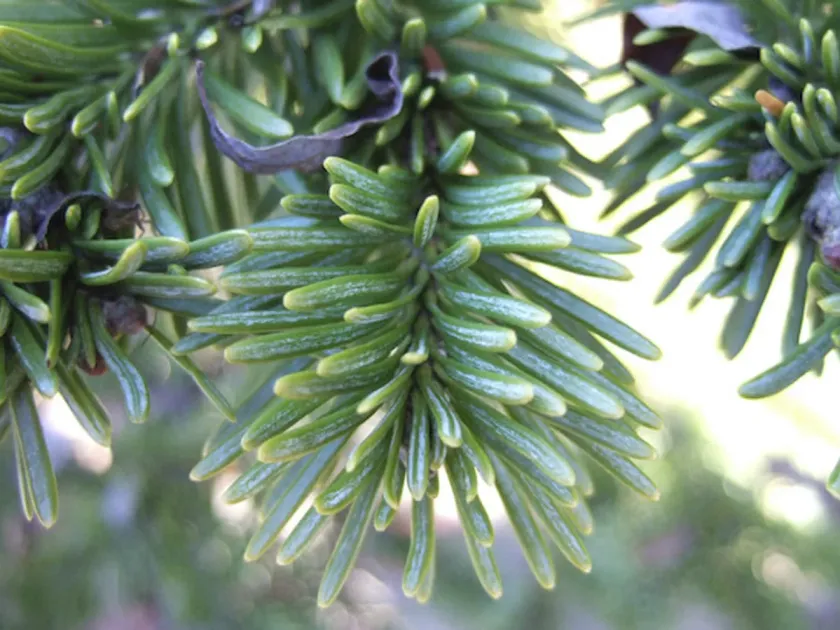
Description
Growing requirements
Sargent's spruce (Picea brachytyla) is a species of conifer in the Pinaceae family, native to the mountain ranges of central and western China. It is highly valued for its weeping branches and distinctive cones, making it a unique specimen for botanical collections and forest plantations.
The tree thrives in cool, humid environments typical of high-altitude ecosystems. For cultivation, it requires deep, fertile, and well-drained soils. Sites with heavy, waterlogged clay should be avoided as they often lead to root suffocation and poor development.
It prefers a location with moderate shade or dappled sunlight during its juvenile stages. As the tree matures, it can tolerate more direct exposure to light, provided the soil remains consistently moist and protected by a layer of organic mulch.
Regarding moisture, the species has low tolerance for drought. Consistent rainfall or controlled irrigation is necessary to maintain the turgidity of its needles and ensure the overall health of the tree structure throughout the year.
Soil management for this spruce involves maintaining a slightly acidic environment. Periodic testing of soil nutrients and pH levels is recommended to ensure that essential minerals are available for the tree's slow but steady growth rate.
Main diseases and pests
The primary pathological concerns for Picea brachytyla are fungal diseases such as needle cast, which can cause significant defoliation in dense, humid plantations. Maintaining proper air circulation between trees is a vital cultural control method.
Bark beetles represent the most significant entomological threat, particularly in trees under environmental stress. Preventive measures include regular forest sanitation and the removal of deadwood to eliminate breeding grounds for these insects.
Aphids and spider mites are frequent pests that infest the needles of younger trees. Frequent monitoring and the application of horticultural soaps or specific miticides can mitigate population outbreaks during dry spring weather.
Root rot caused by Phytophthora species is a serious risk in poorly drained garden or nursery settings. Proper site selection and avoiding excessive nitrogen fertilization are key to keeping the root system healthy and resilient.
Integrated pest management strategies should emphasize the use of natural predators and biological controls where possible, reserving chemical intervention for critical stages of severe infestation to maintain ecosystem balance.