
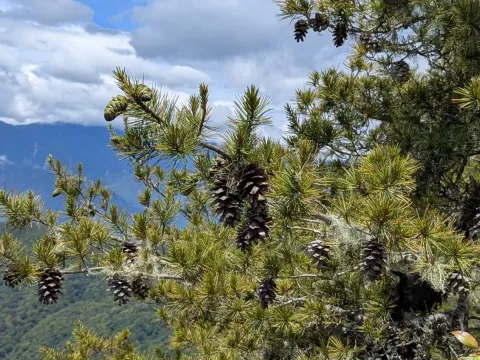
Taiwan white pine
Pinus morrisonicola
Sowing of Pinus morrisonicola seeds is best performed in early spring following a period of stratification. The seeds should be kept at cool, refrigerated temperatures for approximately 60 days to break dormancy and ensure uniform germination.
What the section contains
Taiwan white pine
A well-draining, slightly acidic soil medium is essential for seed starting. Seeds are typically sown at a depth of 1 to 1.5 cm to ensure proper oxygen exchange while maintaining sufficient moisture in the growing medium.
For commercial nursery production, containerized seedling trays are preferred as they facilitate the development of a dense root ball. This practice significantly improves transplant success rates in subsequent forest or landscape projects.
Maintaining consistent moisture levels without waterlogging is critical during the seedling stage. Young pines are highly susceptible to "damping-off" diseases, necessitating a sterile environment and good air circulation.
The optimal germination temperature is around 20°C. After the emergence of primary needles, the young plants require a transition to full light conditions to strengthen their stems and prevent etiolation.
The Taiwan white pine thrives in cool, high-altitude climates characterized by significant moisture and frequent mist. It is native to the mountainous regions of Taiwan and prefers a consistent environmental profile.
Soil requirements are strict, favoring acidic to neutral, well-draining substrates. The species is highly intolerant of waterlogged soil, which can lead to rapid root degradation and mortality.
Exposure to wind and extreme heat should be managed, especially during the establishment phase. Young trees require partial shade and protection from dry winds that can cause needle desiccation.
Organic mulching is recommended to stabilize soil temperature and retain moisture in the root zone. Regular monitoring of soil acidity (pH 5.0–6.5) ensures that the tree can effectively uptake necessary micronutrients.
In landscape settings, the tree requires adequate space for root expansion and crown development. Avoiding high-density planting helps maintain the tree's health and reduces competition for light and resources.
The Taiwan white pine is economically valued primarily for its high-quality timber. The wood is light, straight-grained, and resistant to decay, making it a premium material for fine furniture and woodcrafts.
In addition to lumber production, the species holds significant ornamental value. Its graceful structure and distinctive bluish-green needles make it a sought-after specimen for high-end landscaping and botanical gardens.
Sustainable forest management practices allow for the thinning of stands, which provides a steady supply of wood products while promoting the growth of the remaining canopy trees.
Research into non-timber forest products, such as essential oils extracted from the needles, suggests a growing potential for secondary bio-product development within the industry.
The yield of a Pinus morrisonicola plantation depends heavily on initial site selection and long-term silvicultural interventions, including pruning and weed control during the first decade of growth.
Fungal pathogens represent the most significant threat to Pinus morrisonicola, particularly in nurseries with poor ventilation. Root rot and needle cast are common issues that require diligent management.
Insect pests, such as aphids and scale insects, frequently target new growth. These infestations can weaken the tree, leading to stunted needles and decreased vigor, which may require targeted insecticide treatments.
Preventative measures, including the removal of deadwood and the application of balanced fertilizers, help maintain the tree's immune system against pest and pathogen outbreaks.
Environmental stress, such as extreme drought or sudden temperature drops, can leave the tree vulnerable to bark beetles and secondary fungal infections that take advantage of a weakened host.
Strategic management involves regular inspections for signs of stress, such as needle discoloration or sap exudation, which are early indicators of potential threats that require immediate intervention.