
Spruce hybrids
Picea hybrids
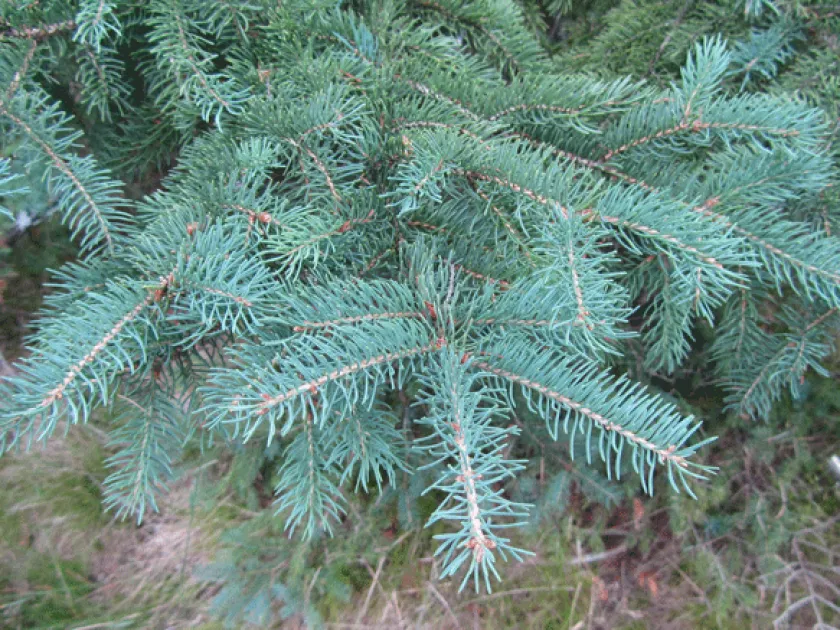
Description
Sowing dates
Sowing seeds of spruce hybrids in nurseries typically takes place in spring, specifically April or May, when soil temperatures reach 8–10 degrees Celsius. Seeds require a mandatory stratification period of 30 to 60 days in cold conditions to break dormancy.
In modern commercial forestry, sowing in containers with peat-based substrates is standard practice. This method ensures uniform development of the root system and high survival rates compared to traditional open-field sowing methods.
Vegetative propagation via cuttings is another viable method for producing uniform planting stock. Cuttings are collected during the dormant season and treated with rooting hormones to enhance the development of the root system.
Sowing in open ground requires well-prepared nursery beds with a light soil texture. Careful depth management, usually 1 to 2 centimeters, is critical to avoid seedling failure due to improper emergence.
Maintenance after sowing involves consistent monitoring of moisture levels. Using agro-textiles or mulch helps maintain the delicate balance of humidity and temperature required for the initial stages of seedling development.
Growing requirements
Spruce hybrids, belonging to the Pinaceae family, exhibit high plasticity regarding environmental conditions. They thrive in fresh, well-drained loamy soils with a slightly acidic pH, which is ideal for their nutrient uptake.
Waterlogging is detrimental to spruce hybrids, making proper site drainage essential. While they adapt well to various climates, hybrids often require specific sunlight exposure to maintain optimal growth rates and branch density.
Most spruce hybrids are bred for superior frost resistance, making them suitable for cultivation in northern regions. However, juvenile trees require protection against spring frosts to prevent damage to the terminal buds.
Agricultural management includes balanced fertilization with specific focus on micronutrients such as magnesium and iron. A deficiency in these minerals is often visible through chlorosis, which can significantly stunt plant growth.
Regular cultivation of the topsoil around the root zone is necessary to ensure adequate aeration. Mulching with organic material, such as wood chips, helps retain moisture and inhibits weed competition, which is vital in the early years.
Yield
The primary economic advantage of spruce hybrids is their increased growth rate compared to their parental species. Through careful selection, forestry operations can achieve higher timber volumes within a shorter timeframe.
Yield metrics are assessed by the total volume of high-quality wood produced per hectare over the life cycle of the forest stand. Hybrids offer a clear advantage in efficiency, reducing the duration of rotation cycles by several years.
In nursery production, the quality of spruce hybrids is measured by the uniformity of the crown and overall health of the seedlings. Faster growth enables nurseries to bring marketable plants to the sector much more efficiently.
The wood quality of spruce hybrids is often enhanced, providing better mechanical properties suitable for high-end construction and furniture industries. This adds significant value to the forest resource.
Optimizing yield requires rigorous adherence to silvicultural practices, including thinning and sanitation harvesting. These activities ensure that dominant trees have sufficient resources to maximize their potential growth.
Main diseases and pests
Fungal diseases like spruce needle cast are significant threats to spruce hybrids, particularly in damp climates. Effective management requires the use of fungicides and ensuring good air circulation within nursery settings.
Insect pests, such as aphids and spruce gall adelgids, pose a constant threat to plantation vitality. Regular monitoring and the application of systemic insecticides are necessary to prevent outbreaks and preserve tree health.
Root rot, often caused by soil-borne pathogens, is a major concern for long-term plantation health. Preventing root damage during planting and selecting healthy sites are the primary defense strategies.
Abiotic stress from prolonged drought makes trees susceptible to secondary attacks from bark beetles. Implementing irrigation strategies during extreme dry spells is crucial for tree survival and long-term viability.
Integrated Pest Management (IPM) is the best approach for managing risks. By combining biological controls, site sanitation, and precise chemical interventions, foresters can significantly reduce the impact of these threats.