
Morrison spruce
Picea morrisonicola
Description
Growing requirements
Morrison spruce (Picea morrisonicola) is a rare coniferous species belonging to the Pinaceae family. It is an endemic tree native to the high-altitude cloud forests of Taiwan, typically found at elevations between 2,000 and 3,000 meters above sea level.
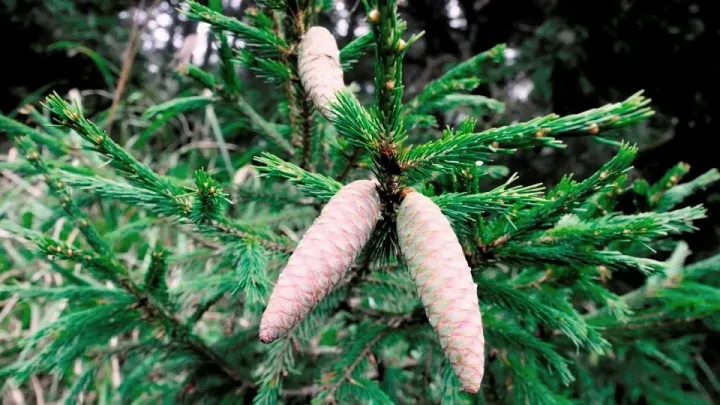
Botanically, it is a slow-growing evergreen tree that can reach a height of up to 50 meters. It features a narrow, conical crown and stiff, deep green needles, which distinguish it from other spruce species. Its biology is strictly adapted to cool, misty, and high-humidity environments.
In terms of agricultural requirements, the species demands deep, fertile, and well-drained acidic soils. It is highly intolerant of waterlogging, which often leads to root decay. Successful cultivation requires a site with excellent drainage and adequate protection from scorching summer winds or intense heat.
The climate must replicate the mountainous regions of its origin: cool summers and high atmospheric humidity are essential. Because of its slow development, it is often utilized more in botanical collections and high-end landscaping rather than commercial timber production.
Proper cultivation management involves ensuring consistent soil moisture without saturation. Young trees should be shielded from direct, intense sunlight during their first few years, as they are naturally accustomed to the filtered light of a forest canopy.
Main diseases and pests
The primary threats to the Morrison spruce include fungal pathogens that cause root and stem rot. These often proliferate in conditions of high soil humidity combined with poor aeration, necessitating strict adherence to irrigation schedules.
Needle-cast diseases are common in susceptible specimens if the plant is stressed or grown in an unsuitable climate. Maintaining proper spacing between trees is critical to ensure adequate air circulation and to reduce the spread of fungal spores.
Insect pests, including aphids and various types of bark beetles, can attack the tree when it is weakened. Regular inspection of the trunk and branches for signs of boring or discoloration is necessary for early detection and mitigation.
Environmental stress, particularly fluctuating temperature levels, can lead to physiological disorders that decrease the tree's natural resistance to diseases. Maintaining a stable microclimate is the most effective biological defense for this species.
Pest management should focus on integrated approaches, avoiding overly aggressive chemical treatments that might harm the delicate balance of the tree's health. Biological controls and careful site selection are the best tools for long-term health management.