
Smooth-leaf pine
Pinus leiophylla
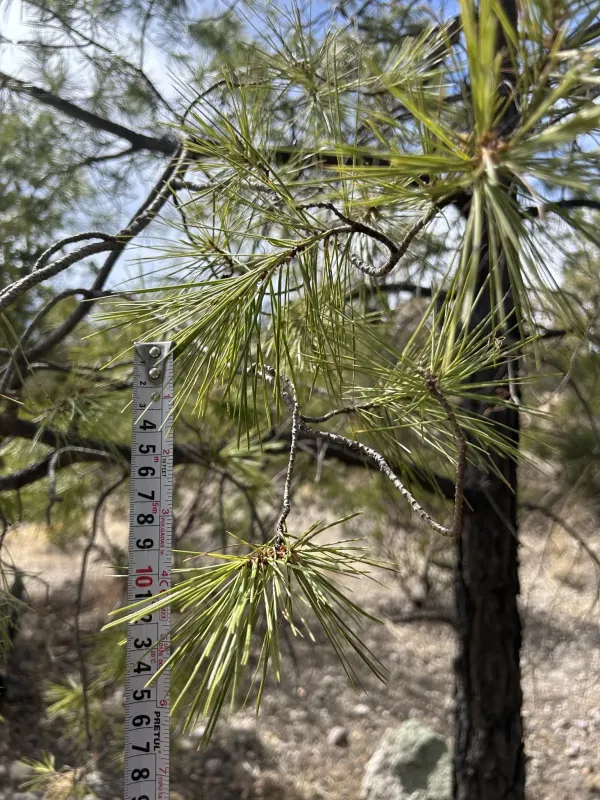
Description
Sowing dates
Sowing of Pinus leiophylla seeds is typically performed in early spring once soil temperatures reach 10–12°C. Stratification of seeds is highly recommended to improve germination uniformity.
Seeds should be sown in prepared nursery beds or directly into final planting sites. A shallow planting depth of 1–2 centimeters is optimal to ensure efficient emergence of the seedlings.
For industrial plantation, a planting density of 2 by 2 meters is common to balance individual growth with long-term stand productivity. Proper spacing is essential for canopy development.
Early-stage weed control is critical for the survival of young pines. Mechanical removal of competing vegetation in the root zone ensures that seedlings receive adequate nutrients and light.
Irrigation during the establishment phase is vital, especially in regions with distinct dry seasons. Maintaining soil moisture helps the taproot system penetrate deeper into the substrate.
Growing requirements
Pinus leiophylla, commonly known as the smooth-leaf pine, is a member of the Pinaceae family native to the mountain ranges of Mexico. It is an evergreen conifer adapted to temperate climates.
This species thrives in well-drained soils, ranging from sandy loams to rocky substrates. It is highly sensitive to waterlogging, so adequate drainage must be prioritized in site selection.
Full sun exposure is required for healthy growth. Pinus leiophylla is not shade-tolerant and will exhibit stunted development if crowded by taller vegetation or shaded by structures.
The tree prefers a moderate climate with significant rainfall periods. While it can handle moderate temperature fluctuations, it is not well-suited to extreme sub-zero conditions.
Soil fertility requirements are generally moderate. Supplementing with phosphorus and potassium during early growth stages can significantly improve root development and overall tree vigor.
Yield
The primary economic use of Pinus leiophylla is the production of timber. Its wood is highly valued in construction, furniture manufacturing, and general carpentry for its durability.
Productivity is measured by the volume of harvestable wood per hectare. Managed plantations often use specific silvicultural techniques to maximize trunk diameter and wood quality.
The wood's natural resin content provides a degree of resistance to decay, making it a reliable choice for various industrial applications, including paper pulp production.
The species also plays an important ecological role in reforestation and soil stabilization in high-altitude environments. Its presence helps prevent erosion on steep mountain slopes.
Regular thinning of the forest stand is a necessary step to maintain high yields. By removing weaker trees, foresters ensure the remaining specimens have space to reach maturity.
Main diseases and pests
Defoliating insects such as sawfly larvae and pine moth caterpillars pose the greatest threat to this species. Large infestations can significantly reduce the tree's vitality.
Bark beetles are major pests that target mature trees. Monitoring the health of the bark and tree crown is essential for the early detection and management of beetle populations.
Fungal diseases, including pine needle rust, often occur in damp and poorly ventilated conditions. Prevention focuses on keeping the stand healthy and reducing humidity in the canopy.
Control methods involve the use of targeted biological or chemical treatments. It is important to rotate products to prevent the development of pest resistance to common insecticides.
Maintaining a balanced forest ecosystem with diverse flora and fauna can naturally suppress pest outbreaks, reducing the need for aggressive chemical interventions.
Harvesting
Harvesting of seeds involves collecting mature cones during the late autumn. Collectors must time the harvest accurately to avoid the release of seeds from the cones.
Once collected, cones are dried in controlled facilities until they open, allowing the seeds to be extracted. Seed cleaning and grading follow to ensure a high-quality product.
Timber harvesting is conducted after the trees reach the desired merchantable age. This is performed according to local forest management plans to ensure sustainable resource use.
Professional logging operations utilize equipment designed to minimize disturbance to the surrounding environment, ensuring that the soil remains intact for future rotations.
Site cleanup following timber removal is a mandatory step in responsible forestry. Removing debris helps mitigate fire risks and prepares the area for replanting efforts.