
Torrey pine
Pinus torreyana
Description
Growing requirements
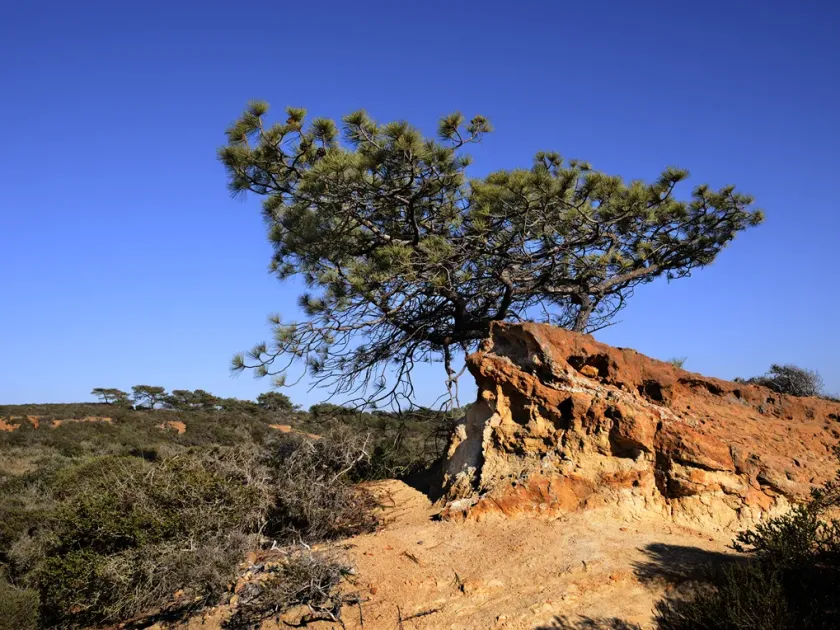
The Torrey pine (Pinus torreyana) is a rare evergreen conifer belonging to the Pinaceae family. It is recognized as one of the rarest pine species in the world, native to a small coastal region in Southern California.
The species is highly adapted to sandy, well-draining soils with low nutrient content. In an agricultural or landscape setting, it is essential to replicate these conditions by avoiding heavy, water-retaining clay soils that promote root rot.
Torrey pines thrive in a Mediterranean climate characterized by moderate temperatures and sea breezes. They are remarkably drought-tolerant once established but require consistent sun exposure to maintain their characteristic open growth habit.
Cultural practices should focus on minimal interference with the root zone. Mulching is generally discouraged unless it is organic and thin, as the species is sensitive to sudden changes in soil moisture and fungal colonization.
Botanically, this tree is distinguished by its massive, heavy cones and long, five-needle bundles. Its unique structural appearance makes it a prized specimen for specialized arboretums and restoration projects in similar coastal environments.
Main diseases and pests
The most significant threat to the health of the Torrey pine is the infestation of bark beetles. These insects can devastate stands of trees, particularly during periods of environmental stress or drought.
Fungal infections, such as Diplodia tip blight, can impact the foliage and new shoots. This is especially prevalent in areas where air circulation is poor or where trees are stressed by excessive humidity.
Sucking pests like scale insects and aphids may occasionally colonize the needles and stems. While they rarely kill a mature tree, they significantly reduce the vigor and aesthetic value of the specimen.
Management of these threats involves proactive integrated pest management (IPM) strategies. This includes removing infected plant material, maintaining tree spacing, and monitoring for early signs of beetle activity.
Root pathogens remain a concern if drainage is not properly managed. Ensuring that the crown and root collar remain dry and free from debris is the best cultural practice to prevent soil-borne diseases.