
Qinghai spruce
Picea crassifolia
Description
Growing requirements
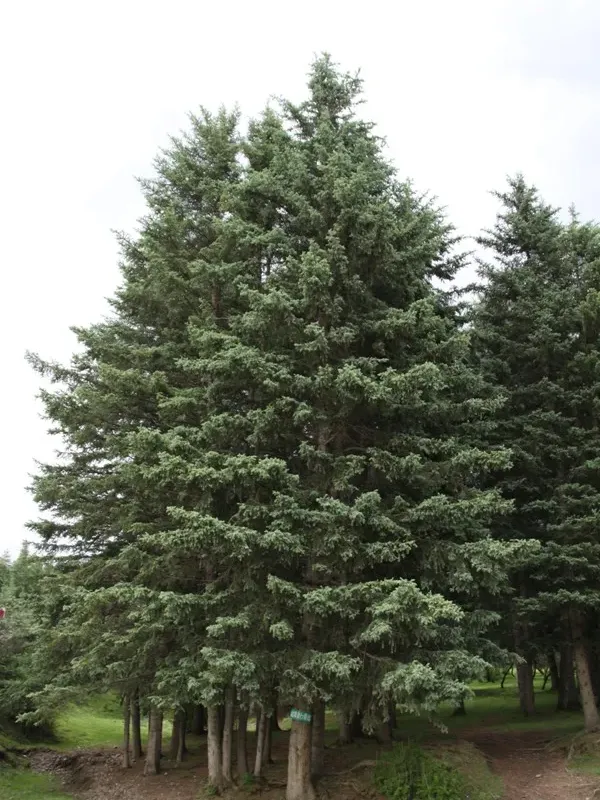
Qinghai spruce (Picea crassifolia) is a coniferous tree species belonging to the Pinaceae family. It is native to the high-altitude regions of Northwest China, thriving in provinces such as Qinghai and Gansu. This species has evolved to survive in mountainous areas at elevations between 2,000 and 3,800 meters, characterized by cool, moist climates.
The botanical identity of this tree is defined by its thick, rigid needles, which serve as a physiological adaptation to harsh alpine winds and moisture loss. The tree can grow up to 25 meters tall, displaying a classic conical shape with dark brown bark that develops deep fissures in mature specimens. Its root system is relatively shallow, making it sensitive to soil compaction.
Cultivation requires specific environmental parameters, primarily focusing on well-drained, slightly acidic soil. Picea crassifolia prefers locations that provide consistent soil moisture while ensuring excellent drainage to prevent root rot. It is highly resistant to cold temperatures, making it a robust candidate for reforestation in alpine regions or cold-climate landscapes.
Agronomic maintenance should prioritize site selection to avoid areas with heavy clay or poor aeration. Young trees benefit from occasional organic mulching around the root zone, which mimics the natural leaf litter found in its native mountain habitats. This practice aids in moisture retention and stabilizes soil temperature, which is crucial for early root development.
The economic and ecological utility of Qinghai spruce is significant in water and soil conservation efforts. As a durable conifer, it is used for timber production in sustainable forestry operations, while its aesthetic appearance makes it a valuable asset in specialized botanical gardens and landscape restoration projects in high-elevation zones.
Main diseases and pests
Common health threats include fungal needle casts and various types of rust diseases, which flourish when humidity levels are high for extended periods. These infections can cause foliage yellowing and canopy thinning, eventually weakening the structural integrity of the tree if left unmanaged.
Pest management should focus on monitoring for spruce aphid and wood-boring beetles, which tend to exploit trees weakened by drought or mechanical damage. Regular inspection and prompt removal of infested material are essential for maintaining the overall health and vitality of the plantation.