
Matucana krahnii
Matucana krahnii
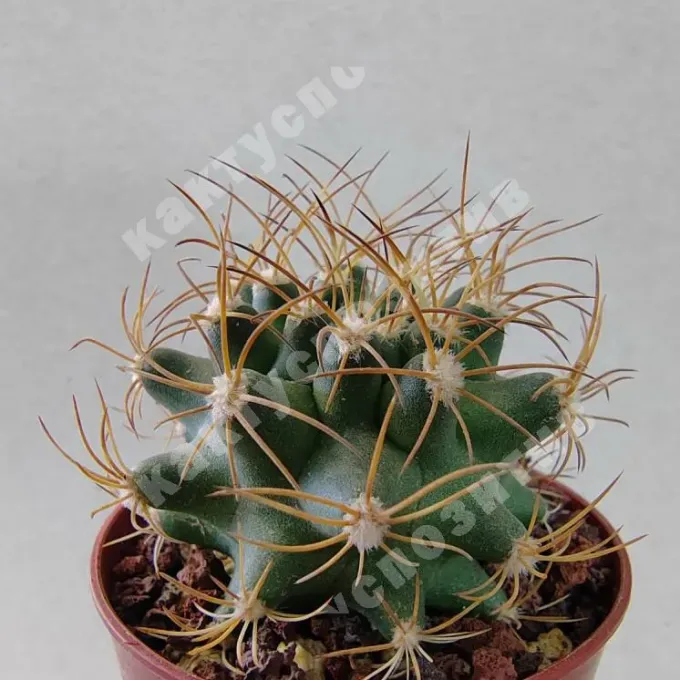
Description
Growing requirements
Matucana krahnii is a distinctive member of the Cactaceae family, known for its elegant shape and bright flowers. Native to the rocky slopes of the Andes in Peru, this plant is adapted to extreme environmental conditions and thrives in well-ventilated, high-altitude climates.
In cultivation, this cactus requires intense, bright light to maintain its compact form and health. While it appreciates morning sunlight, it is sensitive to the harsh intensity of midday sun in summer, making light shading or sheer curtains highly recommended.
The substrate must be extremely porous and mineral-based. A mixture comprising coarse sand, perlite, pumice, and a small amount of organic soil is ideal, ensuring that water drains away quickly and preventing the roots from suffocating in damp conditions.
Temperature requirements include a warm, active growing season and a cooler dormant winter period. During the winter, keeping the plant in a cool, dry place is essential to trigger the dormancy cycle, which is crucial for future blooming success.
Watering should be approached with caution: only water when the soil has completely dried out. During the winter months, water should be withheld almost entirely, allowing the plant to remain in a semi-dehydrated state until the return of warmer days.
Main diseases and pests
The most significant threat to Matucana krahnii is root rot, almost always caused by overwatering or poor soil drainage. When the roots remain wet for too long, they lose their ability to absorb nutrients and begin to decay, leading to plant loss.
Mealybugs are a frequent pest for this species, often hiding in the crevices between the ribs of the cactus. These sap-sucking insects can severely weaken the plant and serve as vectors for secondary fungal infections.
Spider mites can also be problematic, especially in low-humidity environments. They cause microscopic damage to the skin, which can lead to unsightly scarring or further disease if not treated promptly with appropriate acaricides.
Preventative care involves regular monitoring of the stem and root area. If the base of the plant feels soft or discolored, immediate action—such as repotting and inspecting the root system—is necessary to save the specimen.
Maintaining proper air circulation around the plants is essential for reducing the risk of pests and fungal outbreaks. Good ventilation helps prevent the accumulation of moisture on the epidermis, creating a hostile environment for common cactus pathogens.