
Matucana weberbaueri
Matucana weberbaueri
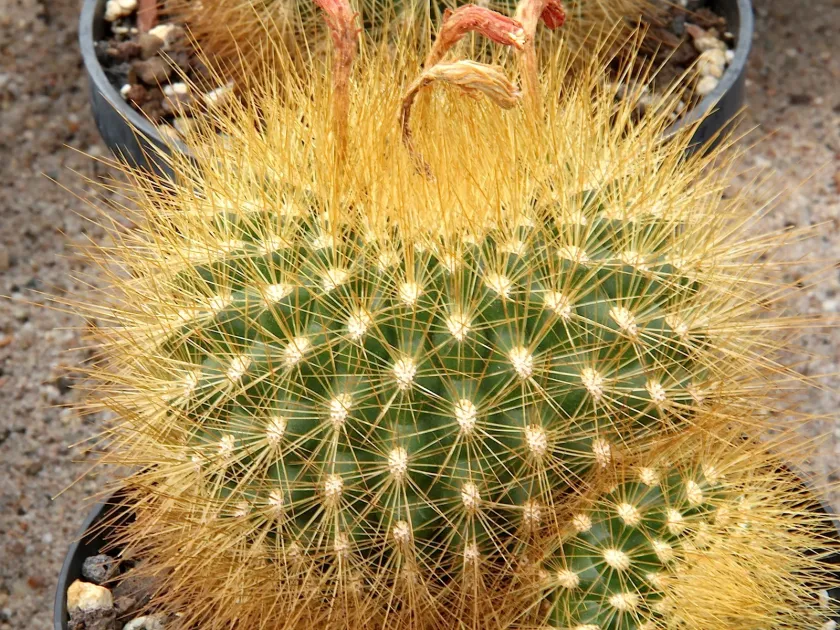
Description
Growing requirements
Matucana weberbaueri is a remarkable species belonging to the Cactaceae family. Native to the high-altitude regions of Peru, this plant is well-adapted to harsh, arid, and rocky environments where rainfall is scarce.
The plant features a distinct globular to columnar stem structure, densely covered with long, curved spines. These spines serve as an evolutionary adaptation to provide shade to the epidermis and protect the plant from local herbivores.
Cultivation success depends on simulating its natural habitat. A highly porous, mineral-based soil mix is essential to prevent moisture accumulation around the roots, which is the primary cause of plant failure.
Light requirements are very high. To maintain its compact shape and promote healthy spine development, it needs exposure to bright, direct or slightly filtered sunlight for most of the day.
During the growing season, watering should be careful and sporadic. It is vital to allow the substrate to dry out completely between waterings to mimic the natural cycle of drought and light precipitation found in the Andes.
Main diseases and pests
The most significant threat to Matucana weberbaueri is root rot caused by improper drainage and stagnant water. Once internal decay begins, it is extremely difficult to reverse the damage.
Pests such as mealybugs and spider mites are common adversaries. Mealybugs often hide in the dense spine clusters, making them difficult to detect and eradicate without systemic pesticides.
Root mealybugs can also infest the substrate, damaging the root system and stunting the plant's growth. Regular inspection of the root zone during repotting is a necessary maintenance task.
High humidity combined with low temperatures is a dangerous environment for this species. It can lead to physiological stress and create perfect conditions for fungal outbreaks across the surface of the stem.
Effective management includes maintaining clean growing conditions, providing excellent air circulation, and using sterilized substrates to minimize the presence of potential pathogens.