
Matucana aurantiaca
Matucana aurantiaca
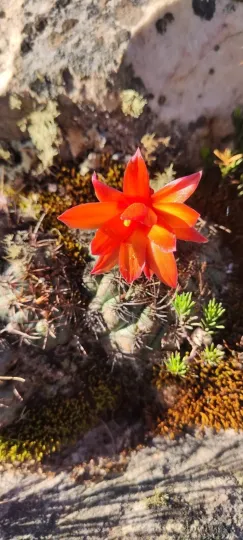
Description
Sowing dates
Propagating Matucana aurantiaca from seeds requires a stable environment with temperatures between 22 and 25 degrees Celsius. Sowing is best performed in the early spring to maximize the natural growth cycle.
The seeds should be placed on a well-draining, sterile mineral substrate. Covering the container with transparent material maintains the humidity levels necessary for germination while ensuring consistent warmth.
Once seedlings emerge, ventilation becomes critical to prevent damp-off disease. Gradually removing the cover allows the young cacti to acclimate to ambient humidity levels over several weeks.
Pricking out the seedlings should only be done when they have developed enough robustness to handle the transition. Early development is slow, so patience is required during the first year of growth.
Seedlings need protection from intense direct sunlight but still require bright conditions. Proper light exposure at this stage ensures the development of strong, healthy spines and dense plant tissue.
Growing requirements
Matucana aurantiaca belongs to the Cactaceae family and is native to the high-altitude landscapes of Peru. It is adapted to rocky environments, requiring excellent drainage and mineral-rich soil compositions.
The ideal growing medium consists of a mix of sand, grit, and loam, specifically formulated for cacti. Avoiding organic-rich compost is essential to prevent root rot and other moisture-related pathologies.
This species thrives in bright, indirect light throughout the active growth period. Providing sufficient light is vital for the plant to maintain its characteristic globe-to-columnar shape and vibrant blooms.
During the dormant winter season, the plant should be kept at cooler temperatures, between 10 and 12 degrees Celsius. Reducing watering to almost zero helps mimic the natural cycle and encourages future flowering.
Proper airflow is necessary to ensure the plant dries out correctly after watering. Poor ventilation can lead to localized humidity buildup, which is a precursor to fungal infections in the cactus epidermis.
Main diseases and pests
Root rot is the most significant threat to Matucana aurantiaca, typically caused by overwatering or poor drainage. Once the roots are compromised, the plant often cannot be saved without radical intervention.
Spider mites are a common pest, particularly in environments with very low humidity and stagnant air. Regular monitoring of the plant's surface and the use of appropriate miticides are standard control methods.
Mealybugs can also infest the areoles, where they feed on the sap and produce protective white filaments. Manual removal or systemic insecticides are effective for managing minor outbreaks of this pest.
Fungal pathogens can occasionally affect the cactus if environmental conditions are not ideal. Ensuring the plant is kept in a well-ventilated area with adequate light is the best preventative strategy.
- Ensure perfect drainage.
- Maintain a strict watering schedule.
- Use sterile substrates.
- Keep the area well-ventilated.
- Monitor for early pest signs.