
Matucana huagalensis
Matucana huagalensis
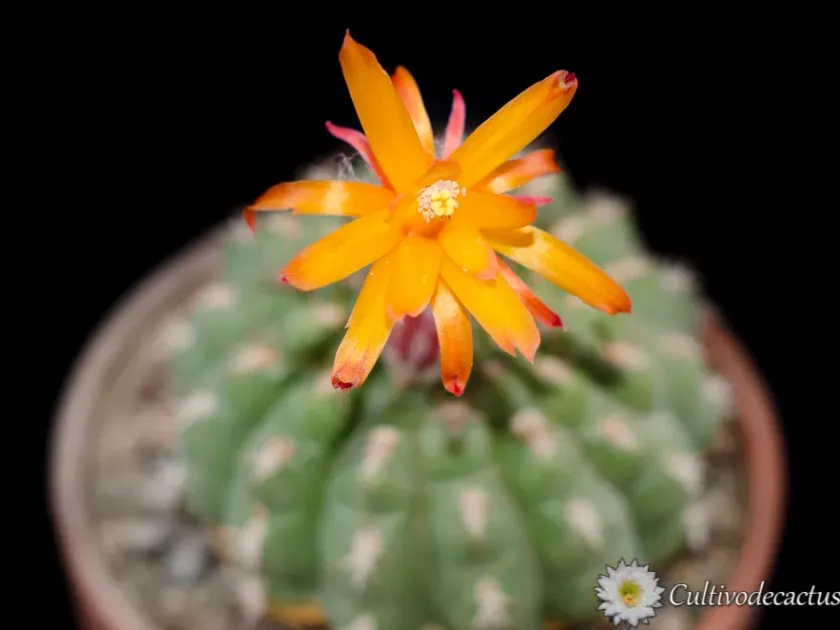
Description
Sowing dates
Propagation of Matucana huagalensis is primarily achieved through seeds. Seeds should be sown in a well-draining, sandy mix specifically designed for cacti.
Successful germination requires a warm environment with temperatures maintained between 22 and 25 degrees Celsius, keeping the substrate lightly moist.
The seeds are sown on the surface and pressed gently, then covered with a thin layer of fine sand. A humidity cover is essential for the first few weeks.
Seedlings need protection from intense light during their early stages of growth to prevent desiccation and sunburn before they develop strong tissues.
Once the seedlings reach a diameter of approximately one centimeter, they can be carefully moved to individual pots, ensuring the roots are handled with care.
Growing requirements
Matucana huagalensis is a fascinating member of the Cactaceae family, native to the high-altitude regions of Peru. It is known for its beautiful globular form.
This species requires very bright, indirect light to thrive. While it can handle some morning sun, midday exposure during the summer often requires artificial shading.
The soil must be inorganic and porous, containing components like pumice, lava rock, and coarse sand. This ensures rapid drainage and prevents root suffocating.
During the growing season, watering should be thorough but infrequent, allowing the soil to dry out completely before the next water cycle is initiated.
In winter, this plant enters a dormant phase. During this time, it should be kept cool and dry to prevent unwanted etiolation and to support future blooming.
Main diseases and pests
The greatest threat to this species is rot, caused by overwatering or soil that remains damp for extended periods, especially in cool, dark environments.
Mealybugs are the most common pests, often appearing in the woolly areoles or between the ribs. Manual removal or systemic insecticides are recommended.
Spider mites can occur in very dry, stagnant air. Regular monitoring and maintaining good air circulation around the plants will minimize this risk significantly.
Fungal infections can quickly compromise the plant if damaged tissues are not treated. Keeping a clean growing area is vital for the plant's health.
It is advised to treat any physical wounds with sulfur powder or activated charcoal to prevent pathogens from entering the plant’s internal tissues.
Harvesting
Harvesting for this species refers to the collection of mature seeds once the fruits have ripened and dried on the mother plant.
The fruits typically appear after a successful pollination of the flowers, forming small capsules that eventually turn brittle and brownish.
Seeds should be collected promptly once the capsule opens to prevent them from falling into the potting medium or getting lost.
After collection, seeds must be cleaned of any pulp and allowed to air dry for several days before being stored in a cool, dark, and dry place.
Proper storage is essential for maintaining high germination rates for future planting seasons, as older seeds tend to lose viability over time.