
Matucana haynei
Matucana haynei
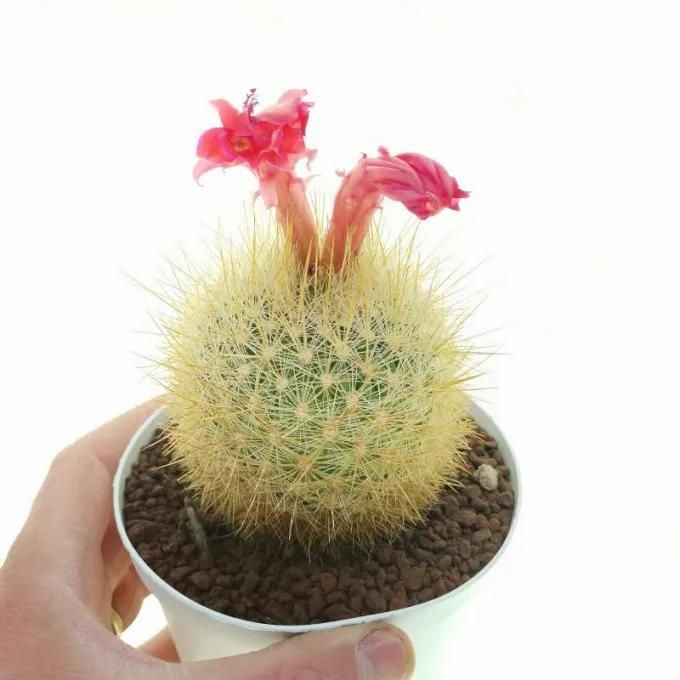
Description
Growing requirements
Matucana haynei is a distinctive species belonging to the Cactaceae family. Native to the high-altitude regions of the Peruvian Andes, it has evolved to thrive in rocky, well-drained environments with fluctuating daily temperatures.
Botanically, this cactus is recognized by its globular to elongated stems and prominent ribs. Its aesthetic appeal is enhanced by dense, often colorful spines that provide protection against the intense ultraviolet radiation of its high-altitude habitat.
Optimal growth requires a well-ventilated location with bright, indirect sunlight. While these plants enjoy intense light, excessive heat combined with direct midday sun can lead to epidermis damage, necessitating proper light management.
The potting medium must be highly porous. A mixture consisting of coarse sand, pumice, and minimal organic matter is ideal. This composition prevents root rot, which is the most frequent cause of plant mortality in domestic cultivation.
Temperature management is crucial. During the active growing season, standard room temperatures are sufficient. However, the plant requires a cool dormant period in winter (around 10–12 degrees Celsius) to ensure a healthy developmental cycle and successful blooming.
Main diseases and pests
The most common health issues for Matucana haynei involve fungal infections resulting from overwatering. If the substrate remains damp for extended periods, the root system loses its ability to absorb nutrients, leading to rot.
Pests such as spider mites can infest the stems in dry, poorly ventilated conditions. These pests feed on the plant's cell sap, leaving discolored patches on the skin and significantly reducing the plant's decorative value.
Mealybugs are another prevalent concern. They typically hide in the crevices between ribs and near the base of the spines. Their presence is often detected by small, cotton-like white clusters appearing on the cactus surface.
Preventative care involves regular monitoring and maintaining good airflow around the plants. In cases of infestation, biological or chemical control agents specifically formulated for cacti should be applied according to professional guidelines.
Ultimately, a disciplined watering schedule combined with high-quality mineral substrates ensures that Matucana haynei remains vigorous and resistant to potential biological threats throughout its lifespan.