
Matucana paucicostata
Matucana paucicostata
Description
Growing requirements
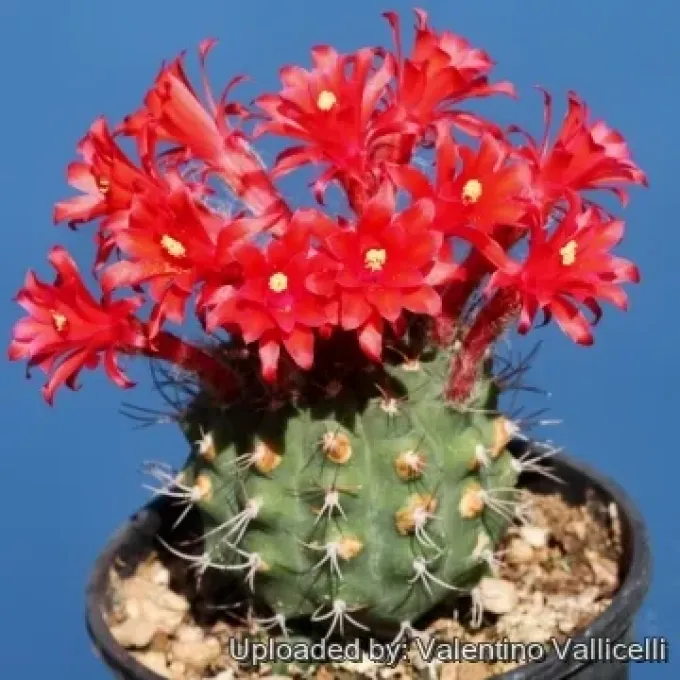
Matucana paucicostata is a fascinating succulent species belonging to the Cactaceae family. Native to the mountainous terrains of Peru, this cactus has evolved to survive in high-altitude, rocky environments characterized by significant daily temperature fluctuations.
The plant is recognized by its globular to cylindrical stem structure with prominent ribs. These ribs are adorned with areoles and spines that provide protection against the elements and herbivores. It is a slow-growing species highly valued by botanical enthusiasts for its unique silhouette.
The success of growing Matucana paucicostata depends heavily on the potting medium. It requires a highly porous, gritty substrate that ensures rapid drainage, mimicking its natural habitat. Using a mix of coarse sand, pumice, and loam is standard for optimal root health.
Light requirements are intense; the plant thrives in bright, filtered sunlight. While it appreciates high light intensity, prolonged exposure to harsh afternoon sun can lead to scorched skin. Therefore, providing partial shade during the peak of summer is advised.
The cultivation cycle requires distinct periods. During the growing season, consistent warmth is needed, while the winter dormant period is critical. Keeping the plant in a cool, dry environment during winter is essential to initiate the blooming process in subsequent seasons.
Main diseases and pests
The most significant threat to Matucana paucicostata is root rot caused by improper watering practices. Soil that remains damp for extended periods suffocates the roots and invites pathogenic fungi to colonize the stem, often leading to irreversible damage.
Spider mites are the most common pest, particularly in low-humidity environments. These microscopic insects cause fine webbing and discoloration on the epidermis. Regular misting (if done carefully) or chemical treatments with acaricides are effective solutions.
Mealybugs can also infest this species, often settling in the deep grooves of the ribs. They are persistent pests that require manual removal followed by the application of systemic insecticides to ensure total eradication from the collection.
Good air circulation is vital to prevent the colonization of pests and fungal spores. Stagnant air coupled with high humidity provides a perfect breeding ground for various plant pathogens, so placing the plant in a well-ventilated area is mandatory.
By observing the plant's growth pattern and addressing needs for light, drainage, and periodic rest, one can successfully maintain a specimen of Matucana paucicostata that remains resilient against most environmental threats.