
Matucana polzii
Matucana polzii
Description
Growing requirements
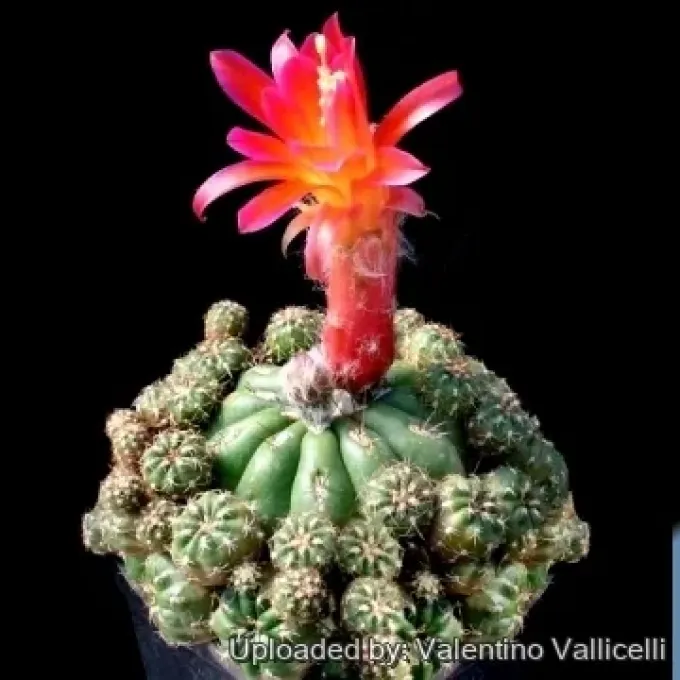
Matucana polzii is a distinctive member of the Cactaceae family, originating from the rugged landscapes of Peru. This succulent species is highly regarded by enthusiasts for its unique globular shape and striking flowers.
To ensure healthy growth, provide this cactus with bright, filtered sunlight. While it appreciates high light intensity, direct scorching sun during peak afternoon hours should be avoided to prevent epidermal damage and scarring.
The planting substrate must be highly porous and well-draining. A mix consisting of standard cactus soil amended with coarse sand, pumice, or perlite is ideal for preventing moisture retention around the delicate root system.
During the active growing season, water the plant only when the substrate has completely dried out. Always ensure the pot has adequate drainage holes to allow excess water to escape, as stagnant moisture is detrimental.
A cool dormancy period is essential for this species. During winter, maintain temperatures around 10-12 degrees Celsius and withhold water almost entirely to simulate the plant's natural environmental conditions during its rest phase.
Main diseases and pests
The most significant threat to Matucana polzii is overwatering, which quickly leads to root rot. Once the roots begin to decay, it is often difficult to save the plant, making prevention through controlled watering paramount.
Spider mites are common pests that thrive in warm, dry indoor environments. They pierce the epidermis to feed on plant sap, causing unsightly blemishes. High air circulation can help minimize the risk of infestation.
Mealybugs are another persistent pest that often hides in the crevices between ribs. Regular inspections are necessary to detect their presence early, allowing for spot treatment with isopropyl alcohol or appropriate insecticides.
Fungal infections can occur if the growing environment lacks proper ventilation. Using sterilized soil and keeping the surface of the growing medium clean are effective cultural practices to keep the plant in peak health.
In case of severe infestation or advanced rot, propagation from offsets may be the only way to save the genetic line. Always use clean, sharp tools when performing any surgical intervention on the cactus to prevent cross-contamination.