
Matucana aureiflora
Matucana aureiflora
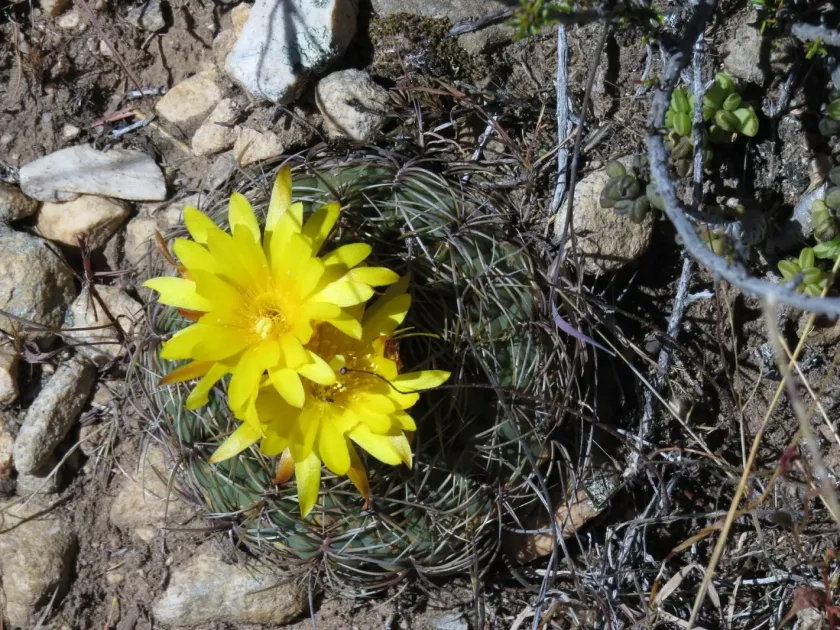
Description
Sowing dates
Propagation of Matucana aureiflora via seeds requires a controlled environment with temperatures maintained between 20 and 25 degrees Celsius.
The ideal season for sowing is spring, as the increasing light duration significantly boosts the germination rate and vigor of the young seedlings.
A porous mineral-rich substrate with a high content of coarse sand and peat is essential for creating the perfect starting environment for seeds.
Seedlings should remain in the original seed tray until they are large enough to handle, typically after the first full growing season has passed.
Maintaining a consistent moisture level during the first weeks of growth is crucial, but avoid waterlogging the soil to prevent damping-off diseases.
Growing requirements
Matucana aureiflora is a member of the Cactaceae family, natively inhabiting the high-altitude rocky slopes of Peru, which dictates its specific environmental needs.
The plant thrives in a well-draining soil mix that prevents water stagnation, typically composed of gritty loam, volcanic rock, and minimal organic matter.
Bright, filtered light is essential; direct, intense afternoon sun may cause skin damage, while lack of light leads to abnormal etiolation of the stem.
Watering must follow a "soak and dry" method, where the substrate is allowed to become completely desiccated before the next irrigation occurs.
During the winter dormant period, the cactus requires a dry environment with cool temperatures to initiate the development of its signature golden flowers.
Main diseases and pests
The primary threats to the health of this species are fungal infections, which are almost always triggered by improper watering schedules or high humidity.
Spider mites are a common concern in indoor collections, as they thrive in dry, stagnant air and can severely damage the cactus epidermis.
Root mealybugs can colonize the root system, causing the plant to stop growing and eventually collapse if the infestation is not caught early enough.
Effective management includes using specific systemic pesticides and ensuring excellent air circulation around the plants to prevent pest establishment.
Proper hygiene, such as sterilizing pots and tools, is the best proactive measure against both biological pests and common horticultural diseases.