
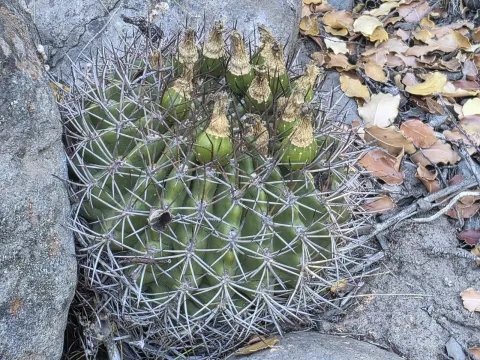
Eriosyce
Eriosyce
Eriosyce is a genus of perennial succulents belonging to the Cactaceae family, native to the arid and mountainous regions of Chile and Argentina. These plants are uniquely adapted to survive in harsh, high-altitude environments characterized by limited rainfall.
What the section contains
 Eriosyce aurata
Eriosyce aurata
Eriosyce aurata
 Eriosyce castanea
Eriosyce castanea
Eriosyce castanea
 Eriosyce curvispina
Eriosyce curvispina
Eriosyce curvispina
 Eriosyce heinrichiana
Eriosyce heinrichiana
Eriosyce heinrichiana
 Eriosyce marksiana
Eriosyce marksiana
Eriosyce marksiana
 Eriosyce odieri
Eriosyce odieri
Eriosyce odieri
 Eriosyce paucicostata
Eriosyce paucicostata
Eriosyce paucicostata
 Eriosyce rodentiophila
Eriosyce rodentiophila
Eriosyce rodentiophila
 Eriosyce senilis
Eriosyce senilis
Eriosyce senilis
 Eriosyce simulans
Eriosyce simulans
Eriosyce simulans
 Eriosyce taltalensis
Eriosyce taltalensis
Eriosyce taltalensis
 Eriosyce vallenarensis
Eriosyce vallenarensis
Eriosyce vallenarensis
Eriosyce
Cultivation requires a highly porous, well-draining soil mix that mimics the natural rocky substrates of their habitat. A mix composed of grit, pumice, and minimal organic matter is essential to prevent root asphyxiation and rot.
These plants demand high levels of solar radiation throughout the year to maintain their compact structure and stimulate floral development. Adequate light exposure is the most important factor in preventing etiolation.
Watering management is critical: moisture should only be provided during the active growing season, ensuring that the substrate dries out completely between waterings to simulate natural pulses of desert rain.
A dormant period during the winter months is essential for the plant's health. During this time, temperatures should be kept cool, and irrigation must be strictly avoided to prevent the activation of opportunistic pathogens.
The most common biological threats to Eriosyce are fungal infections, which manifest primarily as root or basal rot caused by waterlogging of the potting medium.
Pest infestations typically include mealybugs and spider mites, which can proliferate rapidly in poorly ventilated greenhouse environments, damaging the delicate epidermis.
Mechanical damage to the spines or skin of the cactus provides entry points for various bacteria and fungi, making careful handling of the plants during repotting very important.
Treatment involves the use of specialized contact or systemic insecticides, but application must be cautious to prevent phytotoxicity to the succulent tissues.
Cultural control, including regular monitoring and the maintenance of a dry, airy environment, remains the primary defense strategy against the majority of common cacti diseases.