
Eriosyce heinrichiana
Eriosyce heinrichiana
Description
Growing requirements
Eriosyce heinrichiana is a distinct member of the Cactaceae family, native to the arid and rugged landscapes of northern Chile. This species has evolved to thrive in extreme environments where atmospheric moisture from fog is often the primary source of hydration.
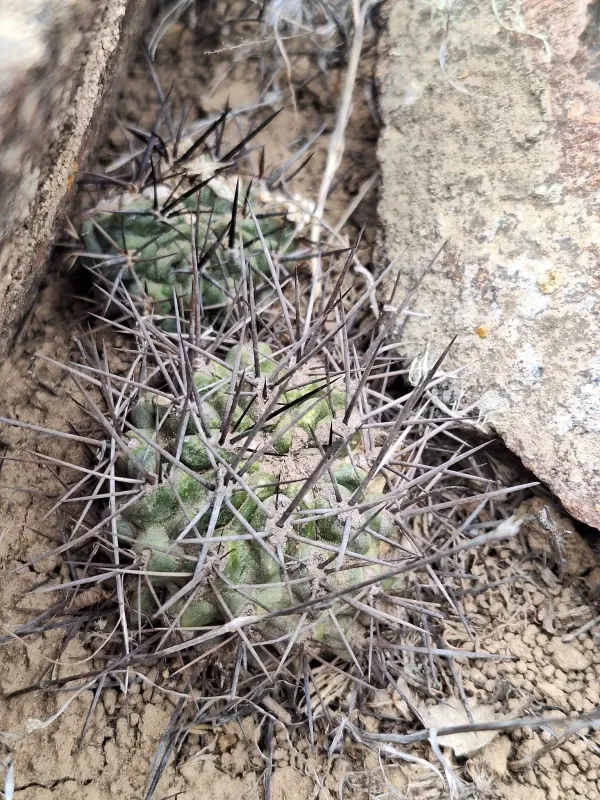
The morphology of this plant features a compact, globose to cylindrical stem, adorned with prominent ribs and specialized areoles that produce robust spines. The epidermis colour often adapts to the intense sun, showing shades of grey-green or brownish-green to prevent tissue damage.
For successful agricultural production in a nursery or home setting, a highly porous and inorganic potting medium is essential. A mixture primarily composed of pumice, coarse sand, and crushed lava rock ensures the rapid drainage necessary to prevent root suffocation.
This species requires high light intensity to maintain its characteristic compact shape and healthy spine development. Insufficient light levels lead to etiolation, which weakens the structural integrity and aesthetic value of the specimen.
Effective agrotechnical practices include a strictly defined dormancy period during the winter months, characterized by lower temperatures and complete dryness to encourage metabolic rest and prepare the plant for the next flowering season.
Main diseases and pests
The most significant threat to Eriosyce heinrichiana is waterlogged soil, which rapidly leads to lethal root rot and the subsequent collapse of the stem tissue.
Root mealybugs pose a major challenge, as these pests often remain undetected within the substrate until they have caused significant damage to the plant's vascular system.
Red spider mites can infest the epidermis in environments with poor ventilation and low humidity, causing unsightly blemishes and decreasing the overall vitality of the cactus.
Fungal pathogens such as Fusarium species can invade the plant through micro-injuries in the root system if the potting soil has not been properly sterilized or if sanitation is neglected.
Proper management of the greenhouse environment, including consistent air circulation and careful monitoring for symptoms of stress, remains the best method for preventing these threats.