
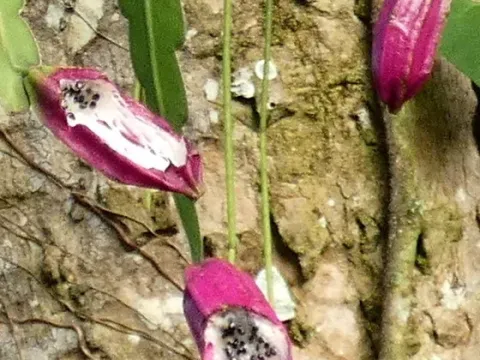
Epiphyllum
Epiphyllum
Epiphyllum is a genus of epiphytic cacti in the family Cactaceae, native to the tropical forests of Central and South America. Unlike desert cacti, these species have adapted to living in high-canopy environments with diffused light.
What the section contains
 Epiphyllum baueri
Epiphyllum baueri
Epiphyllum baueri
 Epiphyllum chrysocardium
Epiphyllum chrysocardium
Epiphyllum chrysocardium
 Epiphyllum crenatum
Epiphyllum crenatum
Epiphyllum crenatum
 Epiphyllum hybrid
s
Epiphyllum hybrid
Epiphyllum hybrids
 Epiphyllum pumilum
Epiphyllum pumilum
Epiphyllum pumilum
 Fishbone cactus
Epiphyllum anguliger
Fishbone cactus
Epiphyllum anguliger
 Hookers Orchid Cactus
Epiphyllum hookeri
Hookers Orchid Cactus
Epiphyllum hookeri
 Queen of the Night cactus
Epiphyllum oxypetalum
Queen of the Night cactus
Epiphyllum oxypetalum
Epiphyllum
Successful cultivation depends on providing bright, indirect light. Direct tropical sun will scorch the flattened, leafless stems, while too little light will prevent the plant from blooming. Maintaining a moderate temperature range of 20°C to 25°C during the growing season is ideal.
The potting medium must be porous and well-draining. A mix consisting of peat moss, perlite, bark, and leaf mold allows the roots to breathe and prevents the accumulation of water, which is critical for an epiphyte's health.
Watering practices should be consistent, allowing the top layer of the soil to dry out between sessions. Overwatering is the most common mistake, leading to root asphyxiation. During the cooler winter months, the plant should be kept drier to trigger the dormancy phase.
Fertilization during the active growth period is essential for robust development. Using a balanced, water-soluble fertilizer with a lower nitrogen content promotes the production of flowers rather than just excessive foliage.
Epiphyllum plants are susceptible to common indoor pests such as mealybugs and scale insects. These pests cluster in the crevices of the stems, making them difficult to spot and treat if not monitored regularly.
Fungal pathogens and root rots are major threats, especially when drainage is poor or the plant is kept in overly damp conditions. Dark, mushy spots at the base of the stems are typical indicators of a severe rot issue.
Treatment involves physical removal of pests using alcohol-dipped swabs and applying systemic insecticides if an infestation is widespread. For fungal issues, fungicide application and repotting in fresh soil are mandatory.
Viral infections may occasionally occur, often transmitted by insect vectors. Symptoms typically include mottled patterns on the stems. Unfortunately, these infections are usually incurable and require the removal of the affected plant.
- Maintain high air circulation to discourage fungal growth.
- Use sterile pots to prevent soil-borne diseases.
- Keep young cuttings away from larger, potentially infested plants.