
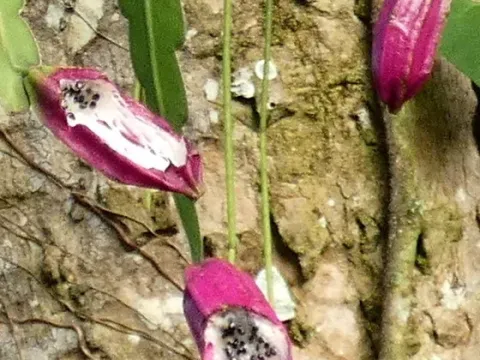
Epiphyllum
Epiphyllum Haw.
Epiphyllum is primarily propagated through stem cuttings taken during the active growing season. This method ensures the preservation of varietal characteristics, allowing growers to scale production effectively.
What the section contains

Epiphyllum
Cuttings should be allowed to callous over in a shaded, well-ventilated area for several days before being inserted into the growing medium. This step is crucial to prevent rot during the early stages of rooting.
A sterile, well-draining substrate consisting of peat, perlite, and bark is ideal for rooting. Maintaining consistent humidity around the cuttings encourages faster root development while minimizing stress.
Seed propagation is possible but primarily utilized for breeding programs to develop new hybrids. Seeds require warm and humid conditions, and the resulting plants may take several years to reach maturity.
Repotting established plants should be done carefully to avoid root damage. Using shallow containers is recommended, as the species is sensitive to overly moist soil around the root zone, which can lead to decline.
Epiphyllum belongs to the Cactaceae family and originates from the tropical rainforests of Central and South America. As an epiphyte, it naturally grows on trees, requiring unique cultural conditions compared to terrestrial cacti.
The plant thrives in bright, filtered light. Direct midday sun is detrimental and can cause permanent scorching of the leaf-like stems, while insufficient light leads to spindly growth and a lack of flower production.
Temperature management is key, with a preference for 20–25 degrees Celsius during the growing season. A cooler period during winter, typically between 12–15 degrees Celsius, is essential for stimulating floral bud initiation.
The potting medium must be porous, acidic, and rich in organic matter. A mix of orchid bark, leaf mold, and perlite provides the necessary aeration and moisture retention that this epiphytic species demands.
High relative humidity is beneficial, reflecting its native environment. Regular misting or the use of humidity trays can significantly improve plant vigor, especially in indoor environments with dry air.
The commercial value of Epiphyllum is driven by its high demand as a decorative houseplant. Productive crops are achieved through consistent care and adherence to a strict, seasonal fertilization schedule.
Flowering potential is maximized when the plant is root-bound to a certain degree and receives adequate light. Well-managed specimens can produce an impressive display of large, night-blooming or day-blooming flowers.
Strategic pruning after the blooming period helps maintain plant shape and directs energy toward new, healthy growth. Removing weak or damaged stems is necessary to ensure the plant remains vigorous and productive.
Fertilizers high in potassium and phosphorus are recommended during the budding stage to support vibrant, large-scale flower production. Avoiding high-nitrogen fertilizers prevents excessive vegetative growth at the expense of blooms.
Marketing these plants often focuses on their exotic appeal and the variety of hybrid colors available. Providing customers with proper cultural information ensures a high retention rate and brand loyalty for growers.
Mealybugs and scale insects are the most prevalent pests affecting Epiphyllum. They congregate in leaf crevices, causing stunting and yellowing; treatment usually involves systemic insecticides or manual removal.
Root rot, often caused by overwatering or poor soil drainage, is a frequent threat. Symptoms include softened stems at the base and a general collapse of the plant structure, requiring immediate reduction in watering.
Spider mites can become a problem in low-humidity conditions. These pests feed on the stem epidermis, leaving behind silver-colored spots and fine webbing, which weakens the plant's photosynthetic capacity.
Fungal pathogens such as Phytophthora can infect the plant through contaminated water or soil. Prevention is better than cure, necessitating the use of clean containers and the avoidance of water splashing on the stems.
Good air circulation is the best preventative measure against many diseases. If a severe infestation occurs, isolating the infected plant and utilizing appropriate chemical fungicides is necessary to protect the rest of the collection.