
Eriosyce castanea
Eriosyce castanea
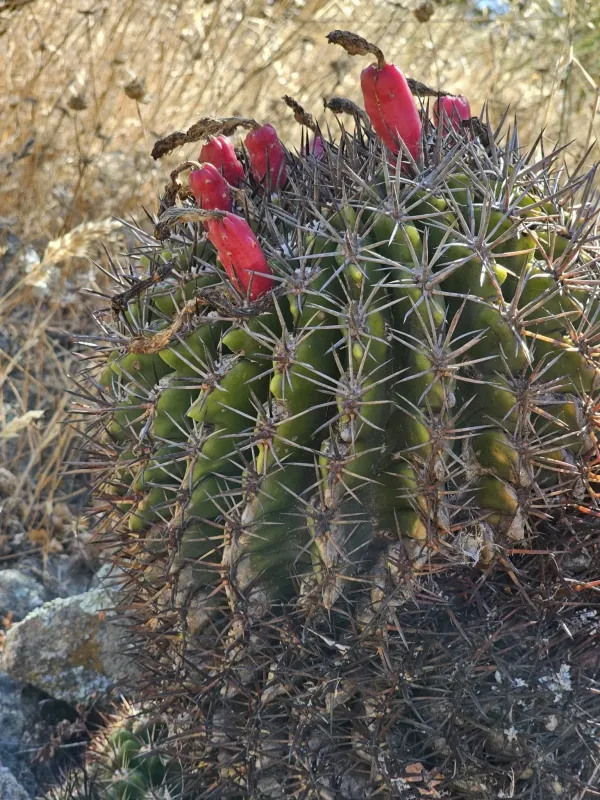
Description
Sowing dates
Sowing Eriosyce castanea seeds is best performed in early spring, ensuring stable soil temperatures of 22–25 degrees Celsius. This species requires a very porous and well-draining substrate to prevent moisture accumulation.
The seeding mix should be sterile and composed of coarse sand, perlite, and a small portion of peat. Surface sowing is recommended, as the seeds need light to germinate and should not be buried deep into the substrate.
Humidity management is crucial during the germination phase, typically achieved by covering containers with transparent film. However, daily aeration is necessary to avoid fungal growth and ensure the health of the young seedlings.
Seedlings are extremely slow-growing, which is characteristic of the genus Eriosyce. They should be left undisturbed for at least one year before being pricked out into individual pots to avoid damaging their delicate root systems.
Providing bright, indirect light to the young plants is essential for their development. Gradually reducing humidity as the seedlings mature will help them transition to the hardier conditions required by adult cacti.
Growing requirements
Eriosyce castanea is a member of the Cactaceae family, natively found in the arid landscapes of Chile. It is a slow-growing, globose cactus that displays a distinctive brownish-chestnut color, from which it derives its specific epithet.
This species demands full sun exposure to maintain its compact shape and vibrant coloration. If grown indoors, it should be placed in the sunniest spot available, as insufficient light will cause the plant to etiolate and lose its aesthetic appeal.
Irrigation must be handled with caution, following a strict cycle of full saturation followed by complete drying of the soil. During the winter dormancy phase, water should be withheld entirely to simulate the natural desert environment.
The potting medium must be inorganic and exceptionally well-drained, mirroring the rocky soils of its native habitat. Using heavy potting soil will inevitably lead to root rot and the death of the plant.
Optimal growth is achieved in environments with good air circulation and low humidity. Preventing stale, humid air is essential, as this condition significantly increases the susceptibility of the cactus to various diseases.
Main diseases and pests
The primary threats to Eriosyce castanea are fungal infections and root rot caused by overwatering. These issues are especially prevalent during the dormant winter period when the plant's metabolic activity is significantly reduced.
Pests such as red spider mites and mealybugs can pose serious problems, particularly when the plant is stressed or kept in overly dry, static air. Early detection and treatment are necessary to preserve the plant's health.
When using chemical treatments for pests, it is vital to test them on a small part of the plant first to avoid damaging the epidermis. Systemic insecticides are generally effective but should be used sparingly.
Maintaining cleanliness in the growing environment and preventing the accumulation of dust or debris on the epidermis helps reduce the incidence of pest infestations. Periodic health checks of the base of the plant are highly recommended.
Adhering to the specific seasonal requirements of this cactus is the most effective way to prevent threats. A healthy plant in the correct conditions is naturally more resilient against common pests and environmental stressors.