
Eriosyce odieri
Eriosyce odieri
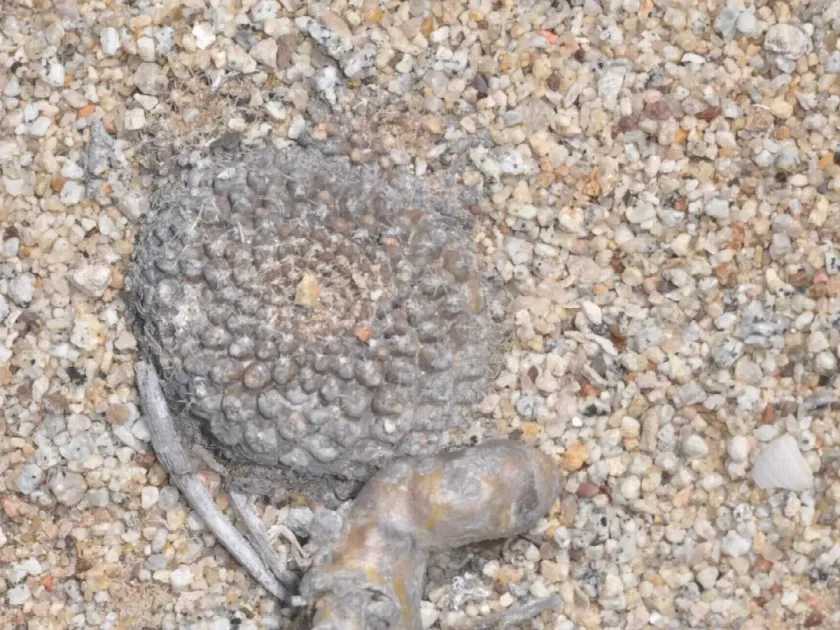
Description
Growing requirements
Eriosyce odieri is a unique member of the Cactaceae family, native to the harsh, hyper-arid regions of the Atacama Desert in Chile. This succulent is highly prized for its globular shape and slow growth rate in natural habitats.
Successful cultivation requires mimicking the plant's native desert environment. The plant demands intense sunlight and excellent airflow, which are essential for maintaining its compact, natural form and preventing etiolation.
The potting medium must be purely mineral-based, consisting of coarse sand, gravel, and pumice. Organic material should be excluded to prevent fungal growth and ensure that the substrate dries out completely within a very short period after irrigation.
Watering requirements are strictly seasonal; water should be applied only during the active growth period and completely withheld during the winter dormancy phase. The soil should be kept dry throughout the winter to prevent root rot.
The primary economic and horticultural use of Eriosyce odieri is within professional and amateur succulent collections. Due to its extreme rarity and difficulty in propagation, it is considered a high-value species in the global cactus trade.
Main diseases and pests
The most significant threat to this species is overwatering, which quickly leads to root rot and collar rot. Because Eriosyce odieri is adapted to extreme drought, even minor errors in irrigation can prove fatal for the specimen.
Root mealybugs and spider mites are the most common pests affecting this cactus. Root mealybugs are particularly dangerous because they infest the root system below the soil surface, making them difficult to detect until the plant starts to decline.
Preventive measures include regular inspection of the roots during repotting and the use of sterile mineral substrates. Maintaining a well-ventilated environment is essential to discourage the development of mold and mite infestations.
Excessive fertilizer application can cause succulent tissue to expand too rapidly, leading to cracking or increased susceptibility to pathogens. It is recommended to use diluted, low-nitrogen fertilizers sparingly if necessary.
If an infestation occurs, targeted use of professional-grade systemic insecticides or acaricides is required. Always monitor plant response carefully, as some cactus species are sensitive to certain chemical compounds found in broad-spectrum pesticides.