
Eriosyce curvispina
Eriosyce curvispina
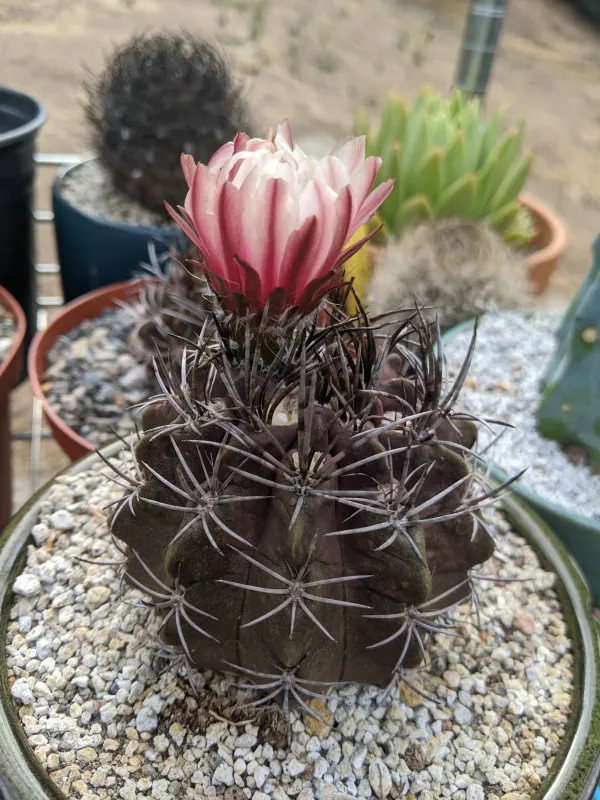
Description
Sowing dates
Sowing seeds of Eriosyce curvispina is best performed in the spring, coinciding with the increase in daylight hours. March and April provide the necessary light intensity for successful germination and early seedling growth.
A loose, mineral-based substrate containing coarse sand and a small amount of peat is ideal for sowing. Seeds are placed on the surface of the moistened soil without burying them, and the container is covered to maintain high humidity.
Maintaining a constant temperature between 20–25 degrees Celsius is crucial during the germination phase. Regular aeration is required to prevent mold and fungal growth on the moist soil surface.
Germination typically occurs within two to three weeks. Once the cotyledons appear, the cover is gradually removed to acclimatize the young seedlings to the ambient air humidity and ventilation.
Seedlings should remain in their original container for at least one year before being pricked out. This delayed approach ensures the root system is sufficiently developed to survive the stress of transplantation.
Growing requirements
Eriosyce curvispina is a member of the Cactaceae family, native to the arid mountainous regions of Chile. This species is highly adapted to extreme conditions, necessitating intense light for proper development.
For the best results, place the cactus in a location with abundant direct sunlight. South-facing windows are preferred to ensure the plant retains its compact shape and develops dense, healthy spines.
The soil must have excellent drainage capabilities. A suitable potting mix should include inorganic components like gravel, perlite, or pumice mixed with a small amount of organic loam to ensure water passes through quickly.
Watering should be done sparingly during the growing season, allowing the soil to dry out completely between applications. During winter dormancy, watering should be strictly minimized to prevent root rot.
A cool winter rest period with temperatures between 5 and 10 degrees Celsius is essential for the plant's health. This dormancy period triggers the metabolic changes required for successful flowering in the spring.
Main diseases and pests
Excessive moisture in the soil, particularly when combined with cool temperatures, is the primary threat to Eriosyce curvispina. It leads rapidly to root and crown rot, which are often irreversible.
Mealybugs are common pests that may inhabit the crevices between the ribs of the stem. Effective control is achieved through the use of systemic insecticides that treat both the plant and the root system.
Spider mites can become a nuisance in environments with very low humidity. Their presence is marked by fine webbing, requiring immediate treatment with specialized acaricides to protect the plant surface.
Poor light exposure causes etiolation, a condition where the cactus becomes stretched and pale. This state not only ruins the plant's aesthetic appeal but also leaves it highly susceptible to infections.
- Monitoring for moisture levels;
- Regular inspection for pests;
- Use of appropriate fungicides;
- Ensuring a proper dormancy period.