
Eriosyce aurata
Eriosyce aurata
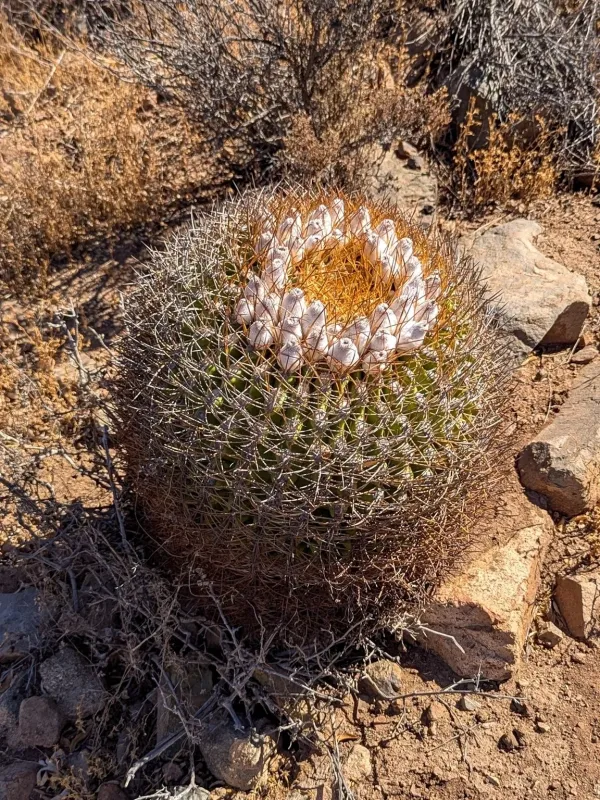
Description
Sowing dates
Sowing Eriosyce aurata seeds in cultivation is typically performed in the spring season when temperatures remain stable at +20–25°C.
For germination, use a light, well-draining substrate consisting of a mixture of sand and sieved topsoil that has undergone heat sterilization.
Seeds are sown on the surface without deep burial, and the container is covered with glass to maintain a high humidity level.
Seedlings require regular yet careful ventilation to avoid the development of mold and fungal diseases on the young specimens.
Once the first spines appear, the seedlings should be gradually acclimatized to direct sunlight and reduced watering frequency to prepare them for drought conditions.
Growing requirements
Eriosyce aurata belongs to the Cactaceae family and originates from the extremely arid regions in the northern part of Chile.
This species prefers strictly mineral, low-organic soils with a high gravel content to ensure perfect drainage of excess moisture.
The culture requires maximum sunlight throughout the entire day to maintain the correct stem shape and develop characteristic sturdy spines.
The temperature regime must simulate desert conditions with sharp fluctuations between day and night values during the active growing season.
In winter, the plant requires a rest period in cool temperatures (about +5–10°C) with no watering at all, which is a critical condition for future flowering.
Main diseases and pests
The primary threat to this culture is root rot, which occurs as a result of moisture stagnation in the substrate at low temperatures.
Among pests, the greatest danger is posed by spider mites, which reproduce actively in conditions of excessively dry and stagnant air.
Root mealybug infestation is also possible; these pests often hide in soil clumps and feed on the plant's sap, significantly weakening its growth.
To prevent infestation, it is necessary to regularly inspect the root system during repotting and use systemic insecticides when appropriate.
Strict adherence to cultivation practices, particularly the proper cycle of watering and drying the root ball, minimizes the risk of diseases.