
Eriosyce simulans
Eriosyce simulans
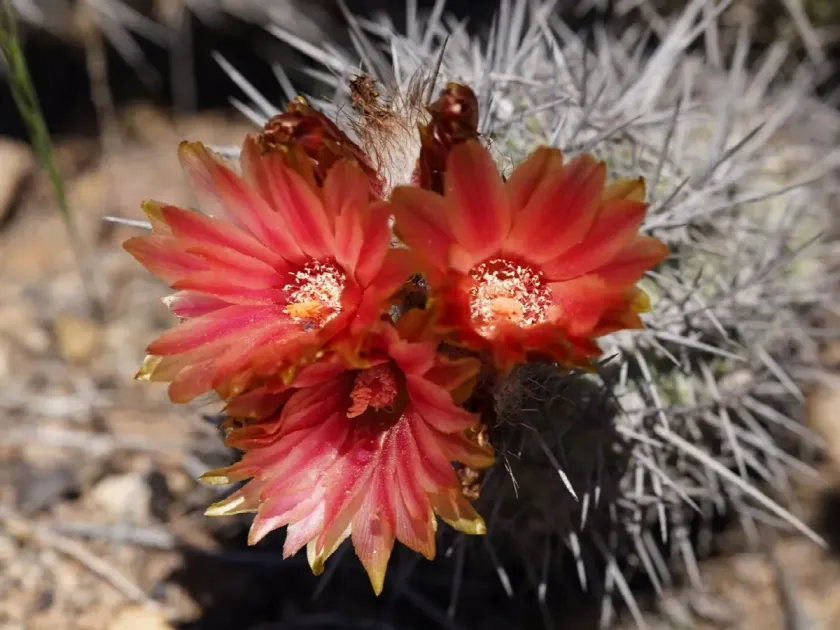
Description
Sowing dates
Sowing seeds of Eriosyce simulans is recommended during the spring season when daylight hours begin to increase. The optimal time is March or April, ensuring that seedlings receive enough sunlight for development.
Use shallow containers with a high-quality drainage layer at the bottom for germination. Distribute the seeds evenly over the surface of the moistened substrate without burying them, covering them only slightly with fine sand.
Maintaining a greenhouse microclimate with a temperature around 22–25 degrees Celsius is a crucial requirement. Containers should be covered with transparent material to keep air humidity high during the germination process.
After the first sprouts appear, remove the cover gradually to acclimatize the young plants to room conditions. Avoid drying out the soil during the early stages of growth, maintaining moderate but stable humidity.
Transplanting seedlings into individual pots should be done no earlier than 6–8 months after germination, when the plant has developed a sufficient number of primary spines and has become resilient.
Growing requirements
Eriosyce simulans is a rare species belonging to the Cactaceae family, found exclusively in Chile. This endemic plant is adapted to the extreme conditions of arid, rocky deserts.
For successful growth, the crop requires a mineral substrate with a high proportion of inorganic materials: sand, gravel, or perlite. Organic matter in the soil mix should be minimal to prevent root rot.
This crop is highly light-loving and requires placement in sunny locations or greenhouses with intense illumination. Lack of light leads to stem etiolation, loss of its typical form, and a weakened immune system.
The temperature range during the active growing season should be between 20 and 30 degrees Celsius. In winter, the plant requires a dormant period at 8–12 degrees Celsius with almost no watering to stimulate future blooming.
Watering must be strictly regulated: apply water only after the substrate has dried out completely. Excessive moisture combined with low temperatures is a critical factor leading to the death of the plant.
Main diseases and pests
The most dangerous pest for Eriosyce simulans is the spider mite, which attacks the plant in conditions of excessively dry air. Use acaricidal treatments at the first sign of infestation.
Root mealybugs also pose a threat because they hide in the soil and remain unnoticed for long periods. Regular inspection of the root system and the use of systemic insecticides during repotting are the best preventive measures.
Fungal diseases, such as root rot, develop as a result of poor watering practices or the use of overly dense substrate. Affected areas often require immediate removal and treatment with fungicides.
Physiological burns can occur when a cactus is suddenly exposed to direct sunlight after a cloudy winter. Gradual adaptation to intense spring light is strongly recommended for the health of the plant.
Mechanical injuries to the stem during careless repotting can open a path for bacterial infections. All cuts or injuries should be dusted with charcoal powder or sulfur to prevent the development of pathogens.