
Eriosyce paucicostata
Eriosyce paucicostata
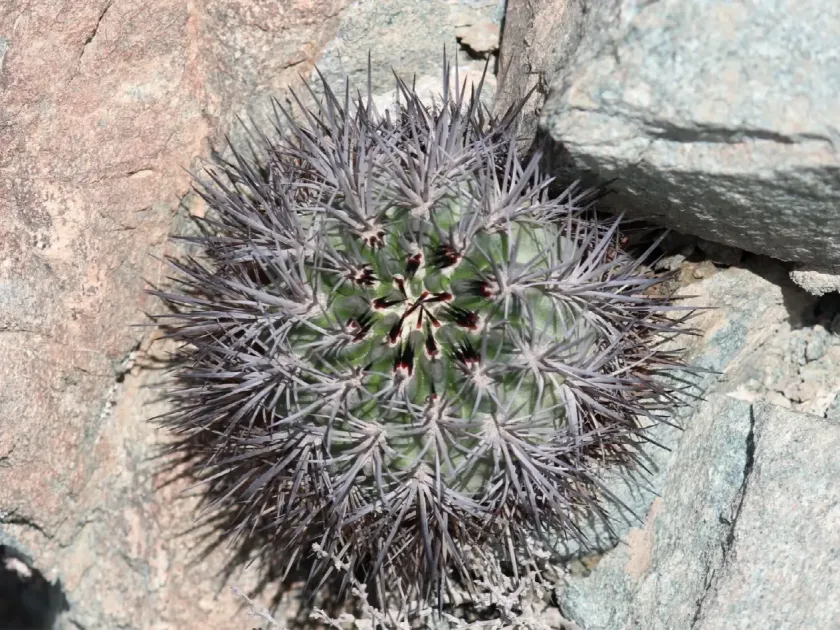
Description
Sowing dates
Sowing seeds of Eriosyce paucicostata is best performed in early spring when the increasing light levels support the growth of the young seedlings.
The substrate must be highly mineral, composed of coarse sand, pumice, and grit, ensuring perfect drainage to protect the delicate roots.
Seeds should be sown on the surface and pressed lightly into the soil, keeping them covered to maintain high humidity during the germination phase.
Consistent temperatures between 20 and 25 degrees Celsius are essential for a successful germination rate and early development.
Once seedlings appear, it is crucial to introduce gradual ventilation while avoiding direct, harsh sunlight until the plants are fully established.
Growing requirements
Eriosyce paucicostata is a member of the Cactaceae family, natively found in the arid coastal regions of Chile, adapted to harsh, dry conditions.
This species requires full, direct sun exposure for the majority of the day to maintain its compact shape and vibrant, natural coloration.
The soil must be well-draining and lean, avoiding any moisture-retaining organic matter that could lead to fatal root rot for this specific genus.
Watering should be done sparingly, only during the active growing season, and always ensuring the soil is completely dry before adding more water.
During the dormant winter period, the plant must be kept dry and cool to simulate its natural habitat, which is necessary for future flowering.
Main diseases and pests
Root rot is the most significant threat to Eriosyce paucicostata, often caused by overwatering or poor drainage in the container.
Spider mites are common pests that thrive in dry environments and can damage the skin of the cactus, leaving visible blemishes and weakening it.
Mealybugs can often be found in the crevices of the ribs, where they feed on the plant's sap and necessitate manual removal or insecticide treatment.
Improper winter storage, such as keeping the plant too warm or moist, leads to etiolation, where the stem stretches and loses its structural integrity.
Preventive maintenance, including regular inspections and the use of appropriate acaricides, is vital for keeping the collection healthy and vigorous.