
Eriosyce rodentiophila
Eriosyce rodentiophila
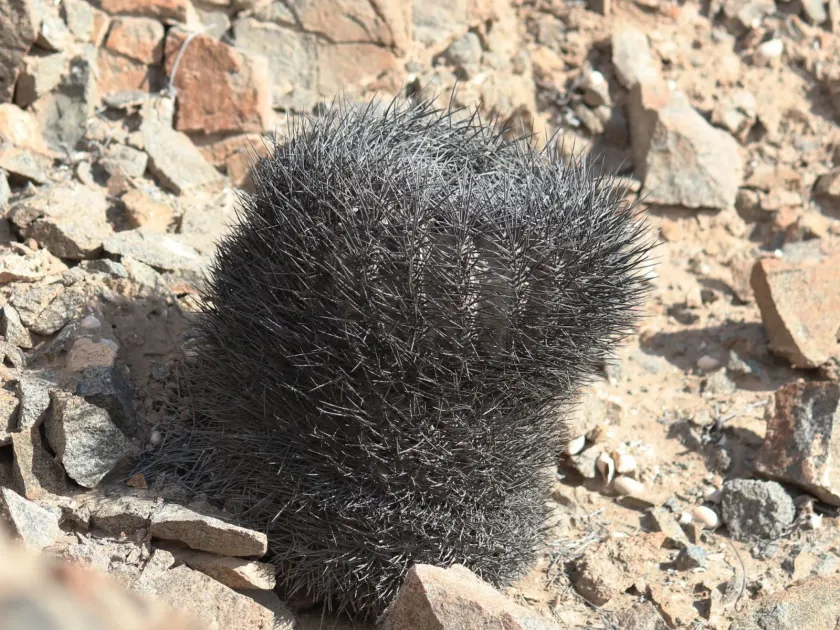
Description
Growing requirements
Eriosyce rodentiophila is a highly specialized cactus species belonging to the Cactaceae family. Native to the arid landscapes of northern Chile, this plant has evolved to thrive in environments with minimal rainfall and extreme temperature fluctuations.
Cultivation of this species requires strict adherence to environmental conditions resembling its natural habitat. Full sun exposure is essential for the plant to maintain its characteristic structure and vibrant spine coloration, which is often lost under low-light conditions.
The substrate must be highly porous and inorganic. A well-draining mix consisting of pumice, lava rock, and coarse sand is ideal to ensure that roots do not remain damp for extended periods, which is critical for preventing rot.
Temperature management involves mimicking the cool nights and hot days of the desert. During the winter dormancy, the plants should be kept cool and dry to induce proper flowering and overall health during the subsequent growing season.
Watering practices must be disciplined. Water only when the soil is completely dry, and avoid wetting the plant's body directly, especially in humid conditions. A focus on ventilation is paramount to ensure the quick evaporation of any incidental moisture.
Main diseases and pests
The most significant threat to Eriosyce rodentiophila is fungal infection caused by root rot. This typically occurs when organic matter in the soil retains water for too long, creating an environment favorable for pathogens.
Pests such as mealybugs can nest deep within the dense spine structure, making them difficult to detect and treat. Regular inspections of the areoles are necessary for early detection and manual or chemical intervention.
Spider mites are another common pest in dry, hot environments. They attack the epidermis of the cactus, causing unattractive scars that significantly detract from the plant's visual appeal and overall vigor.
Environmental stress, particularly sudden changes in light intensity or moisture levels, can lead to splitting of the succulent tissue. Such wounds are entry points for bacteria and fungi, necessitating immediate sterile treatment.
Maintaining a clean growing area and ensuring consistent airflow are the primary methods for preventing infestations and disease outbreaks. Using specialized cactus fertilizers with low nitrogen content helps keep the plant's tissue dense and resilient.