
Eriosyce taltalensis
Eriosyce taltalensis
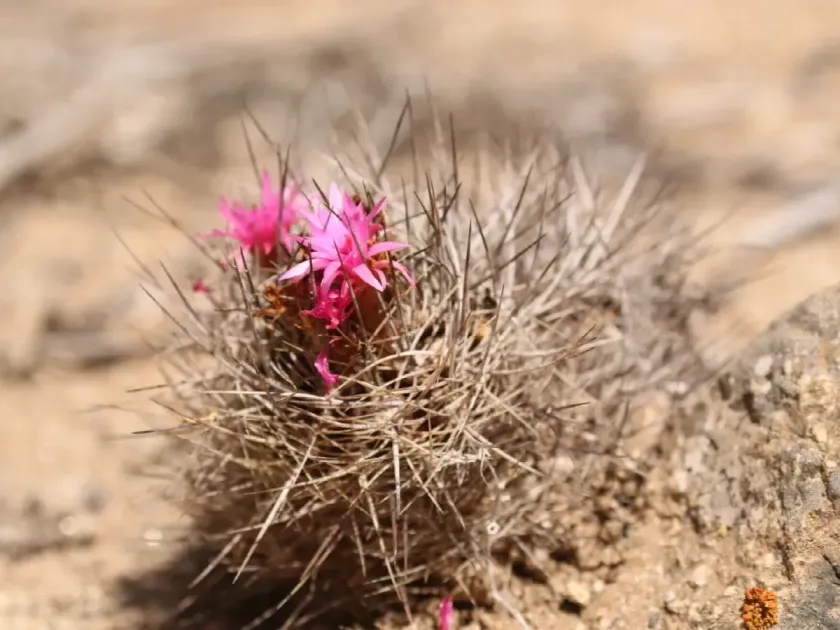
Description
Growing requirements
Eriosyce taltalensis is a remarkable member of the Cactaceae family, native to the coastal regions of Chile. This species has evolved to thrive in extreme arid environments, characterized by high levels of ultraviolet exposure and minimal rainfall.
The agronomic requirements for this cactus focus heavily on light intensity. To maintain its natural compact shape and dense spine formation, the plant must be kept in an area receiving full sun throughout the day, preventing the physiological stress caused by low-light etiolation.
Soil management for Eriosyce taltalensis requires a mineral-based substrate with excellent drainage properties. A mix containing coarse sand, pumice, and minimal organic matter is essential to ensure that water does not remain stagnant around the sensitive root system.
Climatic requirements necessitate a clear distinction between the active growing season and the dormant winter period. During the winter, the plants should be kept dry and cool, which mimics their natural desert environment and stimulates future flowering.
In terms of agricultural and horticultural use, this species is primarily cultivated for specialized collections and conservation-focused nurseries. It requires skilled attention to detail, particularly regarding irrigation cycles and substrate composition.
Main diseases and pests
Root rot, driven by fungal pathogens following overwatering, remains the primary threat to the health of Eriosyce taltalensis. Careful monitoring of moisture levels in the substrate is the most effective way to avoid irreversible damage to the vascular tissues.
Spider mites are a persistent concern in greenhouse cultivation, especially during periods of low humidity. These pests feed on the epidermis, leaving characteristic scars and weakening the plant's structural integrity over time.
Mealybugs can be problematic, colonizing both the root zone and the crevices between the tubercles of the stem. Systemic insecticides are recommended for effective control, provided they are applied with consideration for the plant's delicate tissues.
Root nematodes can compromise the plant's ability to absorb water and nutrients. Utilizing sterile cultivation media and avoiding contamination from untreated soil are crucial strategies for preventing the spread of these soil-borne threats.
Preventive measures such as adequate spacing and constant air circulation are vital to mitigate disease risk. A proactive approach to plant health, focusing on environmental balance, significantly reduces the need for frequent chemical intervention.