
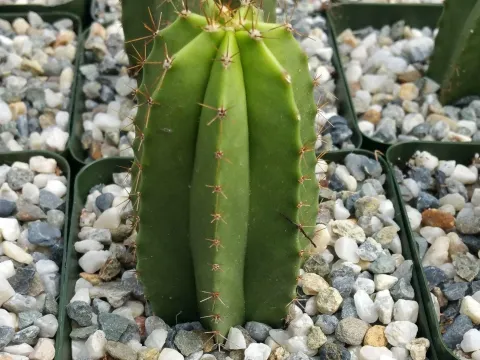
Escontria
Escontria
Escontria (Latin: Escontria chiotilla) is a prominent tree-like cactus belonging to the Cactaceae family. In its native habitat, it grows into a massive columnar structure, often reaching several meters in height, with a distinct branching habit that resembles a candelabra.
What the section contains

Escontria
This species is native to Mexico, specifically found in dry tropical forests and semi-arid regions. It thrives in well-draining, rocky, or sandy substrates, requiring excellent aeration to maintain healthy root systems and prevent moisture-related damage.
Escontria requires high light intensity and consistently warm temperatures to thrive. In regions outside of its natural range, it is primarily cultivated in greenhouses where environmental conditions can be precisely controlled to mimic its native arid climate.
The cultivation of this cactus requires a careful balance of water management. During the growing season, moderate watering is necessary, but during the dormant winter phase, the plant requires a strict dry period to prevent fungal issues and ensure proper development.
The plant is highly valued for its edible fruits, which are a traditional food source in its native range. These small, berry-like fruits possess a vibrant color and a pleasant sweet flavor, making them suitable for fresh consumption or local culinary processing.
The primary threat to the health of Escontria is root rot, which typically occurs due to poor soil drainage or excessive irrigation. Fungal pathogens can quickly compromise the succulent stem, requiring immediate intervention or isolation of the affected plant.
Pests such as mealybugs and spider mites are common concerns for growers. Regular monitoring of the plant's surface and the use of integrated pest management practices are essential to protect the integrity of the stem and future fruit production.
The harvesting of Escontria fruits involves manual collection once the fruits exhibit a deep red or purple color, signifying maturity. Care must be taken during the process to avoid contact with the sharp spines present on the cactus branches.
Post-harvest, the fruits are typically consumed locally as they are perishable. They are processed into various foods such as jams and refreshing drinks, contributing significantly to the local diet and economic activity in regions where the cactus is cultivated.