
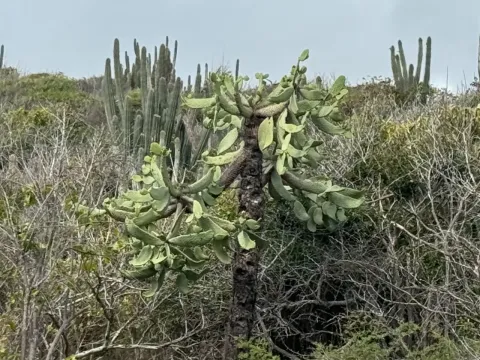
Consolea spinosissima
Consolea spinosissima
Consolea spinosissima, commonly known as the prickly tree cactus, is a distinct species within the Cactaceae family. Originating from the Caribbean, particularly Jamaica, this plant has evolved to thrive in arid, rocky environments with intense solar exposure.
What the section contains
Consolea spinosissima
The climate requirements for this species are strictly tropical or subtropical. It demands full sun exposure to maintain its structural integrity and health, with temperatures consistently staying well above freezing, ideally between 20°C and 30°C throughout the growing season.
Soil composition must prioritize drainage above all else. A rocky, sandy, or porous substrate is essential to prevent root rot, which is the primary cause of plant failure in non-native environments. A neutral to slightly alkaline soil pH is preferred by this species.
Agronomic management involves careful irrigation cycles that mimic seasonal rainfall patterns. During the dormant winter season, water should be restricted significantly to allow the plant to enter a rest phase, which is necessary for future vegetative development.
Host use of Consolea spinosissima is largely ornamental, often utilized in xeriscaping or as a structural element in botanical gardens. Its impressive height and defensive spines make it an excellent choice for security-focused landscaping in warm climates.
The primary threats to Consolea spinosissima include fungal infections such as root and stem rot. These are almost exclusively linked to poor drainage or excessive humidity in the growing environment, which creates an ideal breeding ground for pathogens.
Pests such as mealybugs, scale insects, and spider mites pose significant challenges. These organisms often cluster in the hidden joints between stem segments, making manual removal difficult and requiring the application of targeted insecticides.
Maintaining high hygiene standards in the nursery or garden is crucial. Removing dead plant matter and ensuring good airflow around the specimen significantly reduces the risk of pest infestations and fungal proliferation.
When chemical treatments are necessary, it is essential to use formulations safe for succulents, as traditional agricultural sprays can sometimes cause phytotoxicity to the thin epidermis of the young cactus segments.
Root system health is vital to overall stability. In container-grown specimens, repotting should be performed with caution to avoid damage to the root structure, which serves as a critical entry point for soil-borne diseases.