
Chamaecereus
Chamaecereus
Description
Growing requirements
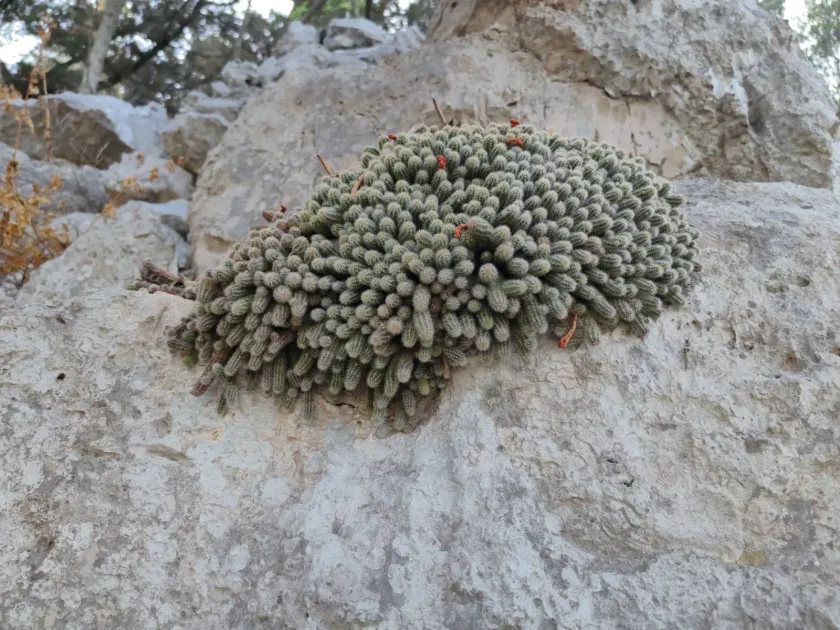
Chamaecereus is a genus of cacti belonging to the Cactaceae family, now widely included in the genus Echinopsis. This plant is characterized by its small, prostrate, and branching stems that create dense mats or clusters.
Native to the high-altitude regions of Argentina, this plant has adapted to harsh environmental conditions. In cultivation, it is highly valued for its prolific flowering, producing vibrant red-orange blooms during the warmer seasons.
The primary requirement for this culture is intense light. To maintain its compact structure and ensure regular blooming, the cactus must be placed in a sunny location where it can receive direct sunlight for several hours a day.
The substrate must be well-draining and porous. A standard commercial cactus mix, further amended with grit, perlite, or coarse sand, is recommended to prevent water accumulation near the root system.
Cultural practices involve a strict seasonal cycle. During the growing season, watering should be moderate, allowing the soil to dry out completely. In winter, the plant requires a cool dormant period with very limited water to prepare for spring.
Main diseases and pests
The most common pest affecting Chamaecereus is the spider mite, which thrives in warm, dry indoor environments. These pests cause discoloration and permanent scarring on the succulent stems if left untreated.
Mealybugs are another frequent threat, often hiding in the crevices between the cactus stems. They are typically identified by the white, cottony secretions they produce while feeding on the plant sap.
Root rot is the most serious threat, usually caused by overwatering or poor drainage. This condition manifests as soft, decaying tissue at the base of the stems, which can quickly spread and kill the entire plant.
Fungal infections can also occur if the humidity is too high or if the plants are crowded together without proper airflow. Maintaining a dry environment and ensuring good ventilation are essential preventive measures.
Monitoring is crucial for the early detection of pests and diseases. Regular inspection of the plant's epidermis and base allows for prompt intervention using appropriate insecticidal or fungicidal treatments before the damage becomes irreversible.