
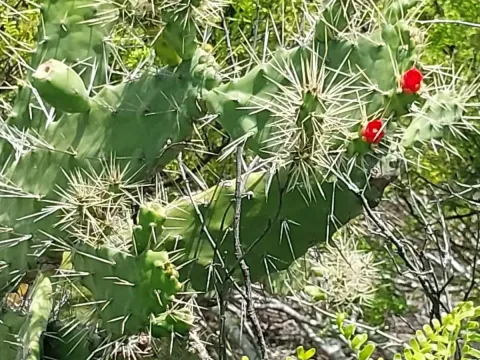
Consolea macracantha
Consolea macracantha
Propagation of Consolea macracantha in cultivation is primarily achieved through vegetative cuttings of individual stem segments. The best time for rooting is during the active growing season in spring, when daylight hours are increasing and temperatures support rapid development.
What the section contains
Consolea macracantha
Before planting, cuttings must be calloused by leaving them in a dry, shaded area for several days. This crucial step prevents rot and allows the plant to form a protective barrier at the cut site before it comes into contact with the substrate.
The substrate must be extremely well-draining, consisting of a mix of coarse sand, perlite, and a small portion of potting soil. Good aeration is vital for the health of the cactus and prevents the development of fungal pathogens in the root zone.
Maintaining a temperature range of 22–25 degrees Celsius promotes faster rooting. During this time, the soil should be kept barely moist to encourage root search without risking decay of the segments.
Applying specialized rooting hormones can significantly speed up the establishment of new plants, making the cultivation process more efficient for large-scale operations or specialized nurseries.
Consolea macracantha is an arborescent cactus belonging to the Cactaceae family. It requires high light intensity, ideally direct sunlight for most of the day, to maintain its robust physical structure and prevent etiolation.
The species prefers gritty, well-draining soils with low organic matter content. Water retention in the potting mix is the primary cause of plant failure, so high-quality drainage is non-negotiable for successful growth.
Originating from the Caribbean region, this cactus thrives in tropical to subtropical climates. It is sensitive to prolonged cold and wet conditions, requiring a dry rest period during winter months to mimic its natural dormancy.
Watering should be deep but infrequent during the summer, allowing the soil to dry out completely between applications. During winter, the plant should be kept almost entirely dry to prevent dormant root rot.
This succulent is highly drought-tolerant, utilizing its modified flat stems, or cladodes, to store water efficiently. Its architectural shape makes it a popular choice for xeriscaping in arid climates.
The primary use of Consolea macracantha is decorative, serving as a striking specimen plant in landscape architecture. Its tall, tree-like growth habit provides significant visual impact in botanical gardens and private collections.
While the fruits are edible, their harvest is challenging due to the numerous glochids and sharp spines covering the plant. Because of this, it is not currently grown as a major food crop, but rather as an ornamental plant.
The productivity in nurseries is measured by the growth rate of healthy cladodes and the development of a balanced, upright form. Pruning is often used to manage the shape and size of the cactus, enhancing its aesthetic appeal.
This plant is well-suited for cultivation in specialized succulent nurseries that supply the ornamental landscaping market. Its longevity and resilience to heat make it a reliable plant for hot-climate garden designs.
Ongoing research into this culture focuses on its adaptability to urban environments and its potential role in sustainable, low-water garden designs in warming climates.
The greatest threat to Consolea macracantha is overwatering or inadequate soil drainage, which quickly leads to root rot and collar rot. Fungal pathogens thrive in damp, stagnant environments and can rapidly destroy the plant's vascular system.
Common pests such as mealybugs and spider mites are frequent issues, especially in crowded greenhouse conditions. Regular inspection and the use of targeted insecticides are necessary to manage these infestations effectively.
Physical injuries to the skin of the cladodes provide entry points for bacteria and viruses. Using sterilized tools for pruning is essential to prevent the spread of diseases from one specimen to another.
Excessive nitrogen fertilizer can result in soft, tender growth that is more susceptible to pest attacks and structural failure. A balanced, low-nitrogen, high-potassium fertilizer is recommended to harden the plant's tissues.
In field conditions, native insects or wildlife may damage the plant, leading to secondary infections. Maintaining a clean growing environment and monitoring for early signs of stress are key to long-term success.