
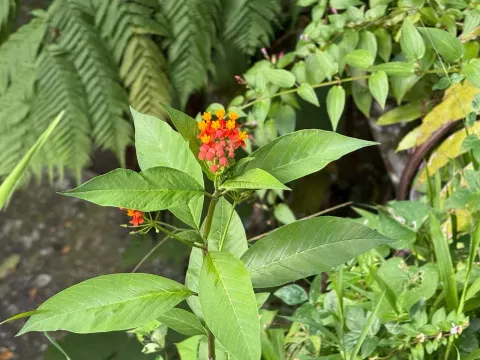
Milkweed
Asclepias L.
Milkweed, belonging to the Apocynaceae family, is a perennial plant known for its vigorous growth and strong root system. Planting is primarily conducted in the spring when soil temperatures reach at least 15 degrees Celsius, as warm soil is critical for successful germination of the seeds.
What the section contains
 Asclepias labriformis
 M. E. Jones
Asclepias labriformis
Asclepias labriformis M. E. Jones
 Bloodflower
Asclepias curassavica L.
Bloodflower
Asclepias curassavica L.
 Butterfly weed
Asclepias tuberosa L.
Butterfly weed
Asclepias tuberosa L.
 Common milkweed
Asclepias syriaca L.
Common milkweed
Asclepias syriaca L.
 Desert milkweed
Asclepias subulata Decne.
Desert milkweed
Asclepias subulata Decne.
 Flax-leaved milkweed
Asclepias linaria Cav.
Flax-leaved milkweed
Asclepias linaria Cav.
 Horsetail milkweed
Asclepias subverticillata (A. Gray) Vail
Horsetail milkweed
Asclepias subverticillata (A. Gray) Vail
 Narrow-leaf cotton bush
Asclepias fruticosa L.
Narrow-leaf cotton bush
Asclepias fruticosa L.
 Swamp milkweed
Asclepias incarnata L.
Swamp milkweed
Asclepias incarnata L.
Milkweed
In commercial agricultural settings, seeds are typically planted in rows with spacing of 45 to 70 centimeters to allow for mechanical cultivation. Given the small size of the seeds, they should be sown shallowly, ensuring they remain in contact with moist soil to facilitate rapid root development.
The crop thrives in well-drained, sandy or loamy soils, showing significant adaptability to various soil textures. It is an exceptionally light-loving plant that requires full sun exposure to reach its full physiological potential and maximize biomass production throughout the growing season.
Although mature plants are quite drought-tolerant, consistent moisture during the early establishment phase and peak growth periods is essential for optimal fiber quality. Proper agricultural management involves regular weed control during the first year, after which the plant usually dominates its space.
Milkweed is highly regarded in the agricultural industry for its dual potential: as a source of high-quality vegetable fiber and as an excellent melliferous plant for pollinators. It represents an interesting option for crop diversification on marginal lands where traditional crops may underperform.
Common pests affecting milkweed include aphids and various plant bugs that can cause localized damage to foliage and stems. Integrated pest management strategies, focusing on biological controls and timely scouting, are recommended to maintain plant health without disrupting local ecosystems.
Fungal diseases, such as leaf spot or root rot, may occur in environments with poor soil drainage or high humidity levels. Maintaining appropriate spacing between rows is a crucial cultural practice to ensure adequate air circulation, which significantly reduces the risk of moisture-related infections.