
Mascarenhasia arborescens
Mascarenhasia arborescens
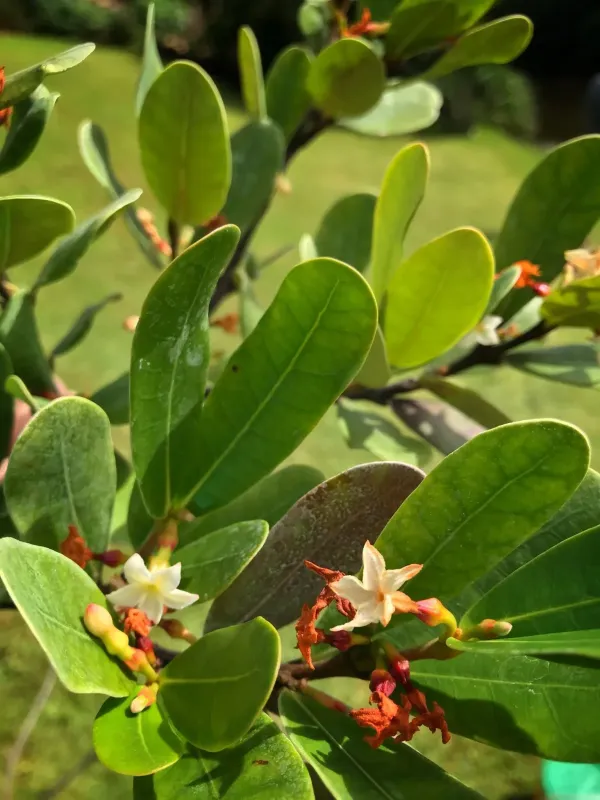
Description
Growing requirements
Mascarenhasia arborescens is a perennial woody plant belonging to the Apocynaceae family. This species is native to the tropical forests of Madagascar, where it functions as a prominent component of the local ecosystem, thriving in high-humidity environments.
The plant is characterized by its coriaceous, dark green leaves and the production of a milky latex. Botanically, it is structured as a tree or large shrub capable of significant biomass accumulation under ideal environmental conditions.
Agricultural requirements for this crop focus on strict temperature control. It thrives in tropical climates where the temperature remains between 20°C and 30°C. Frost or prolonged cold spells are lethal to the plant’s physiological processes.
Soil management for Mascarenhasia arborescens involves maintaining high organic content and excellent drainage. The plant cannot tolerate waterlogged soils, which cause root hypoxia and promote the growth of detrimental soil-borne fungi.
Cultivation practices include consistent irrigation cycles to mimic the rainfall patterns of its natural habitat. The use of mulch is recommended to regulate soil temperature and moisture levels, preventing the drying of the topsoil layer during hotter periods.
Main diseases and pests
Disease management is centered on preventing fungal pathogens. Root rot is the primary threat in environments with high humidity and poor aeration, often resulting from excessive watering or lack of drainage systems.
Insect pests, specifically mealybugs and scale insects, frequently target the succulent stems and underside of leaves. These pests cause chlorosis and stunted growth by extracting plant sap and introducing secondary infections.
The presence of ants on the plant is often an indicator of an existing pest infestation. Ants tend to protect sap-sucking insects, so integrated pest management must include both the pests and their symbiotic protectors.
Leaf-eating caterpillars may occasionally cause severe defoliation. Regular scouting and the application of biological controls, such as neem oil or specific Bacillus-based products, are recommended for large-scale agricultural maintenance.
Preventative care is essential for maintaining crop health. Proper spacing between trees ensures good air circulation, which naturally reduces the likelihood of fungal outbreaks and minimizes the spread of airborne spores.