
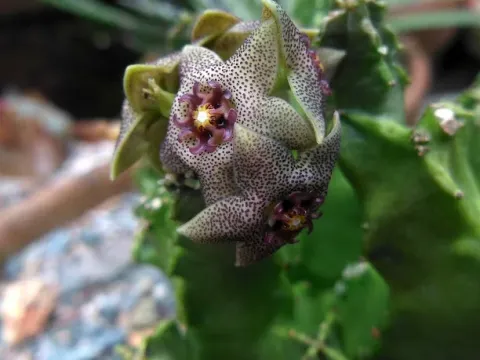
Monolluma
Monolluma
Monolluma is a genus of succulent plants within the Apocynaceae family. These plants are characterized by their leafless, stem-succulent habit, which is an evolutionary adaptation to survival in extreme arid environments.
What the section contains

Monolluma
The native range of Monolluma spans the arid regions of the Arabian Peninsula and North-East Africa. They thrive in rocky habitats and sandy soils that offer excellent drainage, reflecting their adaptation to scarce and irregular precipitation.
Cultivation of Monolluma requires a substrate that mimics these natural conditions. A porous, mineral-heavy soil mix composed of sand, pumice, and minimal organic matter is essential to prevent root rot, which is the most significant physiological risk.
Environmental requirements prioritize warmth and light. Monolluma prefers temperatures between 22 and 30 degrees Celsius during the active growth phase and requires high levels of bright, indirect sunlight to maintain its structural integrity and health.
Water management is the cornerstone of Monolluma cultivation. Watering should be infrequent, occurring only when the growing medium has completely dried out. During the dormant winter season, water should be withheld to mimic natural seasonal drought cycles.
The primary threat to the health of Monolluma is fungal rot, specifically root and stem rot caused by excessive humidity or waterlogging of the soil. This condition often results in rapid necrosis of the plant tissue if not addressed immediately.
Mealybugs are the most common insect pest affecting Monolluma. They prefer the succulent stem folds and crevices, where they feed on sap, leaving the plant susceptible to secondary bacterial and fungal infections.
Spider mites can also be a significant issue in environments with low humidity and poor air circulation. They cause visible damage to the epidermis, which can lead to unsightly scarring and reduced vitality of the succulent specimen.
Pest management protocols should focus on early detection through regular inspection of the stems. If pests are identified, localized treatment with appropriate systemic insecticides or mechanical removal using alcohol-based solutions is typically effective.
Long-term plant health is best maintained by prioritizing hygiene in the growing space. Using sterilized potting media, ensuring adequate space between plants, and maintaining good airflow will minimize the risk of both pest outbreaks and opportunistic disease.