
Asclepias labriformis
Asclepias labriformis M. E. Jones
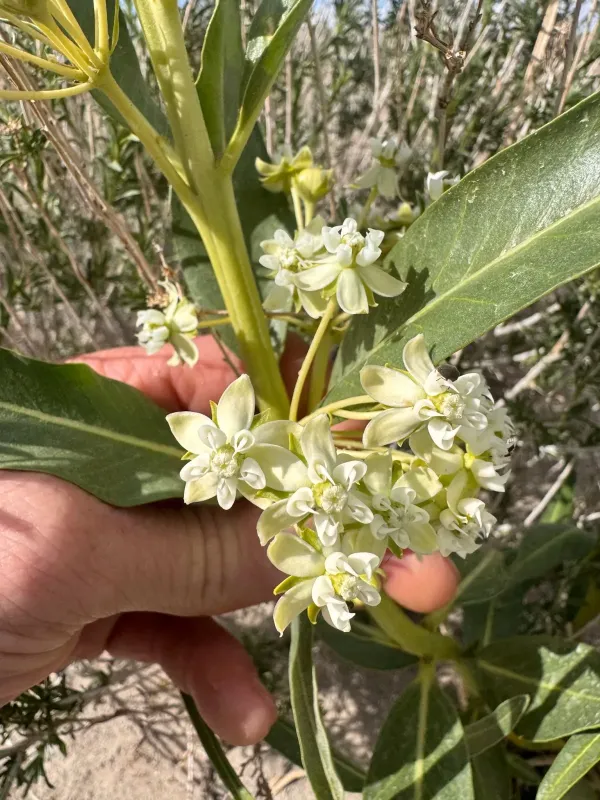
Description
Growing requirements
Asclepias labriformis is a perennial herbaceous plant belonging to the Apocynaceae family. Native to the arid regions of the southwestern United States, specifically Utah, this species has adapted to survive in harsh, desert-like environments with limited rainfall.
Botanically, the plant is distinguished by its narrow, distinct leaves and a root system capable of reaching deep moisture levels. Like other members of its genus, it contains a milky latex sap that serves as a natural defense mechanism against herbivores.
The crop thrives in sandy, well-draining soils with low organic matter content. It is intolerant of waterlogged conditions, which can lead to rapid root rot, and requires high sun exposure to reach its full developmental potential during the growing season.
Agricultural management of this species involves minimal irrigation and fertilization. Due to its slow initial growth rate, the plant requires a weed-free seedbed to establish itself properly during the first season of cultivation.
Economically, this species is researched for its potential in latex production and as a drought-tolerant pollinator habitat. Its resilience makes it an interesting candidate for ecological restoration and specialized industrial crops in arid climates.
Main diseases and pests
Root pathogens are the primary threat to the health of Asclepias labriformis. Poor soil aeration caused by over-irrigation or heavy, compacted soil types significantly increases the risk of fungal infections.
Insect pests, particularly aphids, are commonly found on the soft tissues of the plant. They tend to cluster around the stems and developing flower buds, which can impede normal vegetative growth.
Spider mites can also be a significant issue in hot, dry conditions, causing foliage discoloration and loss of vigor. Their impact is most severe when the plant is already experiencing water stress.
Integrated pest management should focus on maintaining plant vigor through appropriate spacing and preventing the overcrowding of plants, which facilitates the spread of infestations.
Manual weeding is recommended rather than mechanical cultivation to prevent damage to the delicate root system, which is crucial for the long-term survival of this perennial species.