
Butterfly weed
Asclepias tuberosa L.
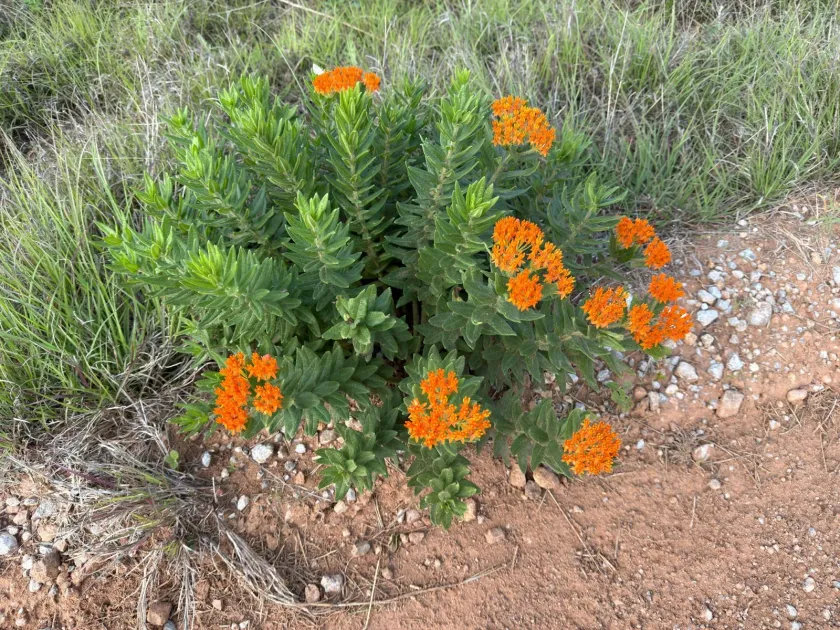
Description
Sowing dates
Sowing Asclepias tuberosa seeds is best performed in the spring once the threat of frost has passed and soil temperatures consistently reach 15 degrees Celsius.
The seeds possess a natural dormancy that requires a cold stratification period of at least 30 to 60 days to ensure high germination rates.
Seeds should be sown shallowly, ideally at a depth of no more than 1 centimeter, as they require sufficient light to trigger the germination process.
In large-scale plantings, using a seed drill adjusted for small seeds is recommended to ensure consistent spacing and density across the field.
Starting plants in containers for transplanting later is a viable alternative to direct seeding, which helps in establishing a more robust root system.
Growing requirements
Butterfly weed is a hardy perennial belonging to the Apocynaceae family, known for its ability to thrive in poor, well-draining soil types.
This crop has a distinct preference for full sun exposure and performs exceptionally well in sandy or rocky soils where others might struggle.
It is highly drought-tolerant once established, thanks to its deep tuberous root system that can reach moisture deep within the soil profile.
The plant requires minimal fertilization; excessive nitrogen can lead to weak, elongated stems that are prone to lodging during storms.
Proper field maintenance includes regular weeding, especially during the first year, as the plant establishes itself and competes for space.
Yield
The primary agricultural interest in Asclepias tuberosa lies in its exceptional status as a nectar source, supporting honeybee and pollinator populations.
Secondary uses include the extraction of latex-like substances from the milky sap, which have potential applications in specialized chemical industries.
The strong, fibrous stems have historically been evaluated for fiber production, though modern industrial applications remain largely experimental.
Yields are maximized when planting density is optimized, typically aiming for uniform spacing that prevents competition while maximizing flower production.
Sustainable harvests can be sustained for several years, as the plant is a perennial that reliably returns each season with proper care.
Main diseases and pests
Aphids are the most frequent pest associated with this plant, often clustering on the terminal shoots and feeding on the nutrient-rich phloem.
Root rot caused by pathogens like Phytophthora is a significant threat in fields that lack proper drainage, leading to rapid plant decline.
Powdery mildew can affect the foliage during humid, stagnant weather conditions, reducing the overall vigor and decorative quality of the stand.
Integrated pest management strategies are recommended to maintain healthy stands without resorting to heavy synthetic pesticide use.
Monitoring fields for infestations early in the season is critical for preventing widespread damage during the peak flowering stages.
Harvesting
Harvesting for medicinal or floral purposes should occur during the full bloom stage, ensuring the plant parts contain peak concentrations of compounds.
Seed collection involves gathering the pods just before they naturally split open to prevent loss of valuable genetic material in the field.
Post-harvest handling requires quick drying in a controlled environment with good airflow to prevent mold and preserve the integrity of the harvested product.
Roots, when harvested for pharmacological extraction, should be carefully lifted in the autumn after the plant has entered its winter dormancy.
Clean storage conditions, specifically low humidity and cool temperatures, are necessary to maintain seed viability and product shelf-life.