
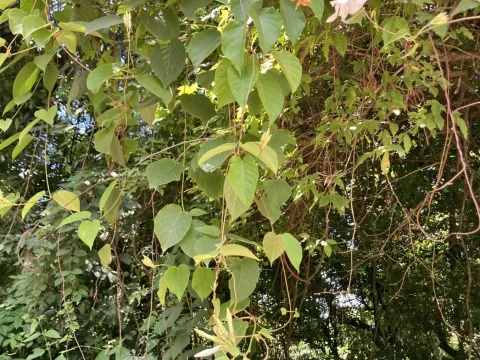
Mandevilla
Mandevilla
Mandevilla, often referred to as Dipladenia, is a genus of tropical and subtropical flowering vines belonging to the Apocynaceae family. Native to the southwestern United States, Mexico, Central America, the West Indies, and South America, it thrives in warm, humid tropical environments.
What the section contains


Mandevilla
The plant is characterized by its woody, vining habit and glossy, opposite leaves. Its most distinctive feature is the large, trumpet-shaped flowers, which emerge in shades of red, pink, white, or yellow, and are highly valued in the horticultural industry for their decorative appeal.
Successful cultivation requires bright, filtered light. While the plant appreciates morning sun, harsh midday light can lead to leaf scorch. The optimal growing temperature ranges between 20°C and 25°C, with a cooler dormant period during winter to support future blooming cycles.
The ideal growing medium is a well-draining, slightly acidic potting mix. A combination of peat moss, pine bark, and perlite or coarse sand provides the necessary aeration and moisture control to prevent root saturation, which is detrimental to this species.
A sound agricultural management plan for Mandevilla includes consistent watering schedules, ensuring the soil remains moist but not waterlogged. Supplemental feeding with a balanced, bloom-boosting fertilizer during the spring and summer months is essential to maintain high vigor and flower production.
Common pests encountered when growing Mandevilla include spider mites, whiteflies, and mealybugs. These insects often exploit dry indoor air conditions, necessitating regular monitoring and, if required, the application of horticultural oils or systemic insecticides to manage populations effectively.
Fungal issues, specifically root rot (Phytophthora) and leaf spots, are primarily driven by poor air circulation and excessive substrate moisture. Maintaining good hygiene practices and ensuring adequate spacing between containers significantly reduces the risk of these infections spreading within the greenhouse.