
Narrow-leaf cotton bush
Asclepias fruticosa L.
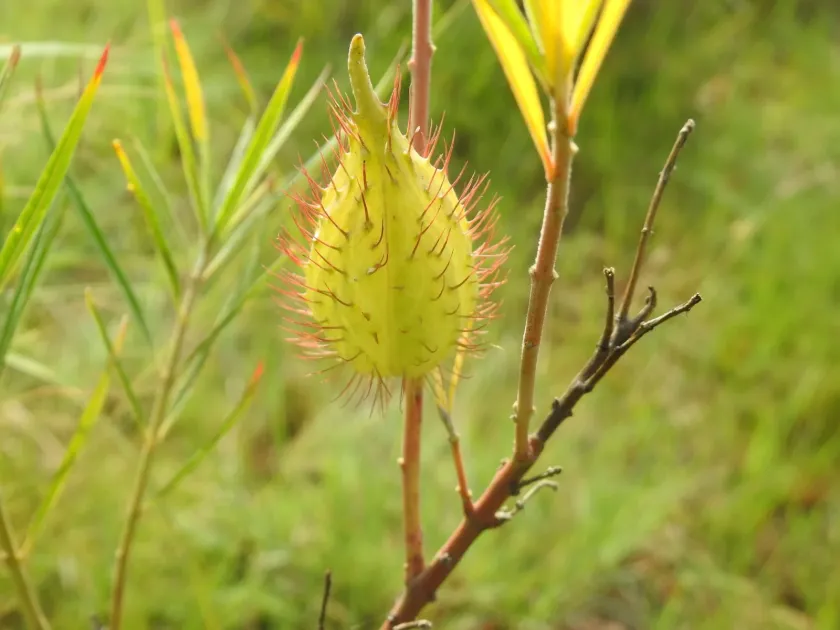
Description
Sowing dates
Sowing of Asclepias fruticosa occurs in spring, once soil temperatures reach a consistent level above 15 degrees Celsius to ensure rapid germination.
The seeds require minimal coverage, typically buried at a depth of 2 to 3 centimeters, which allows the seedlings to emerge efficiently without exhausting reserves.
Row spacing is maintained between 50 and 60 centimeters, providing sufficient space for mechanical weeding and promoting healthy plant development.
Optimal sowing density varies based on the intended use, with higher plant populations favoured for fibre production to encourage longer and thinner stems.
Transplanting seedlings started in greenhouse conditions can significantly extend the growing season, particularly in regions with shorter temperate summers.
Growing requirements
The crop thrives in full sun exposure, requiring high light intensity to maximize biomass production and the development of quality stem fibres.
Well-drained, fertile soil is essential, with sandy loams being the most suitable substrate for preventing waterlogging and promoting root health.
While known for moderate drought tolerance once established, consistent soil moisture during the active vegetative growth phase is crucial for higher yields.
Soil pH levels should be maintained in the neutral to slightly acidic range to ensure the bioavailability of necessary nutrients for the crop.
Regular cultivation of inter-rows is necessary during the early stages of growth to eliminate competitive weeds that can easily overwhelm the slow-growing seedlings.
Yield
Yield levels depend significantly on soil fertility and moisture management, often reaching 15 to 20 metric tons of fresh biomass per hectare in commercial conditions.
Fibre yield, which constitutes the primary commercial interest, ranges from 5 to 8 percent of total stem dry weight, depending on the harvesting time.
Peak biomass accumulation occurs during the flowering stage, making this the most profitable time for harvesting for fibre-related purposes.
Secondary outputs include seeds, which can be harvested when pods turn brown and start to open, providing additional value to the crop cycle.
Fertilization with balanced NPK inputs during early growth stages has been shown to increase stem length and overall fibre density significantly.
Main diseases and pests
Pests such as aphids and spider mites are the most common threats, often congregating on the plant tips and causing growth stunting if not treated.
Root rot and fungal infections are prevalent in poorly drained soils, often exacerbated by high humidity and lack of proper air circulation within the field.
Crop rotation protocols should be strictly followed, avoiding the replanting of Asclepias on the same field for at least three consecutive growing seasons.
Integrated Pest Management strategies, including the use of beneficial insects, are encouraged to keep aphid populations below the economic threshold.
Pre-sowing seed treatments with organic fungicides are recommended to prevent early seedling damping-off and ensure a uniform crop stand.
Harvesting
The harvest should be conducted during the peak flowering stage to ensure the highest possible fibre quality before stems begin to lignify significantly.
Mechanical harvesting equipment is used to cut the stems, which are then processed for decortication to extract the raw textile or industrial fibres.
Harvested material should be kept dry to prevent fungal growth, which can rapidly degrade the quality of the vegetable fibres during storage.
After the stems are removed, the remaining field organic matter should be incorporated into the soil to maintain fertility for subsequent crop rotations.
Timely harvest is critical, as delaying the operation leads to stems becoming brittle and the loss of seed material due to natural pod splitting.