
Swamp milkweed
Asclepias incarnata L.
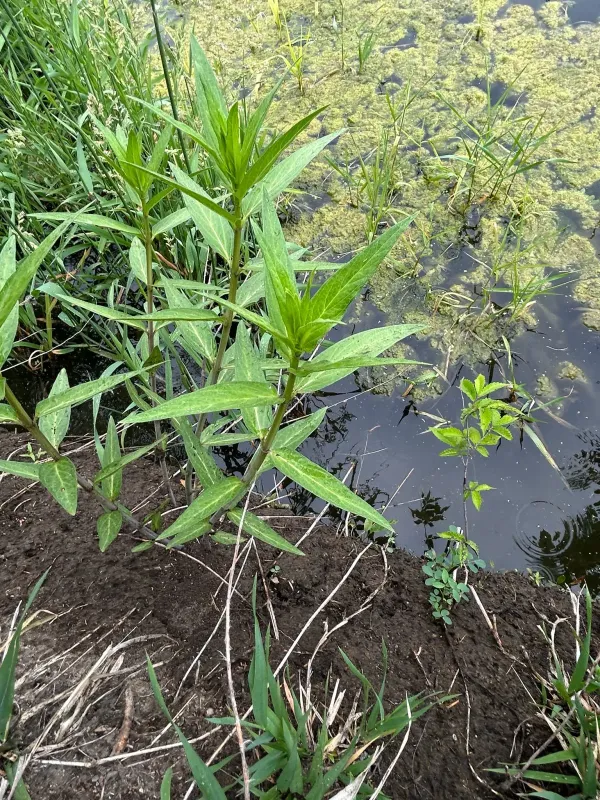
Description
Sowing dates
Swamp milkweed (Asclepias incarnata L.) is a member of the Apocynaceae family, known for its preference for moist to wet soil conditions. Proper propagation is essential for establishing a healthy crop.
Seeds require a period of cold stratification for 30–60 days to break dormancy and ensure uniform germination. Sowing can be performed in late autumn for natural stratification or in early spring using cold-treated seeds.
When starting indoors, seeds should be sown in seedling trays 6–8 weeks before the last frost date. Maintaining temperatures around 20 degrees Celsius supports strong initial root growth.
Transplanting into the field should occur after soil temperatures have warmed and the danger of frost has passed. Plants should be spaced 45–60 centimeters apart to allow for vigorous growth and airflow.
Seed depth should be kept shallow, approximately 0.5 to 1 centimeter. Covering with a fine layer of vermiculite or soil helps maintain moisture while allowing sufficient light exposure for germination.
Growing requirements
As the common name implies, this plant thrives in wetland environments, floodplains, and near stream banks. It is highly tolerant of consistently moist soil, unlike many other common field crops.
The soil should be nutrient-rich with a high organic matter content. While it prefers moist conditions, it adapts well to standard garden loam as long as it receives consistent irrigation during dry spells.
Full sun is required for optimal performance and flower production. Plants grown in shaded conditions tend to become leggy, lose their vertical structural integrity, and produce significantly less nectar.
Swamp milkweed is remarkably hardy in temperate climates. It establishes a deep, fleshy taproot that helps the plant withstand harsh winters and periods of fluctuating soil moisture.
While fertilization is rarely strictly necessary in rich soil, a light application of balanced organic fertilizer in early spring can boost vegetative vigor and ensure a larger bloom display.
Yield
Swamp milkweed is primarily recognized as a superior nectar plant in agricultural apiculture. Its ability to produce high-quality honey makes it a valuable asset for local pollinator conservation.
The stems of the plant contain strong bast fibers that have been utilized historically for cordage and textiles. This technical potential continues to be a subject of interest for natural fiber research.
In ornamental and ecological restoration contexts, swamp milkweed is used to stabilize pond banks and wet areas. Its root system is effective at preventing soil erosion in frequently saturated zones.
The yield of nectar is substantial, with the plant providing a long-lasting food source for honeybees and native bees throughout the summer months. It is a staple plant in bee-friendly farming systems.
Longevity of the crop is excellent, with established patches providing consistent yields for many years without the need for constant replanting or soil disturbance.
Main diseases and pests
Aphids are the most common pest, frequently gathering on the tender buds and new growth. While they rarely kill the plant, they can reduce the overall quality of nectar production.
Fungal issues such as leaf spot may occur if the plants are placed in areas with poor circulation and excessive humidity. Maintaining appropriate spacing is the best management strategy.
Root rot is a potential threat if drainage is non-existent. Despite its love for moisture, the soil should not become completely stagnant or anaerobic for extended periods.
Milkweed bugs may feed on the seeds and foliage. While usually not a major economic threat, heavy infestations on seed-production crops should be managed using integrated pest management techniques.
Vigilance during the early stages of growth is important to ensure young seedlings are not outcompeted by aggressive weeds. Mulching around the base can help reduce weed pressure.
Harvesting
Nectar is harvested indirectly by honeybees during the peak blooming period from mid-summer to late summer. Beehives should be positioned nearby to maximize the gathering of floral resources.
Seed harvesting should be timed carefully. Once the pods turn from green to brown and begin to show signs of splitting, they should be collected before the seeds release their silky appendages.
For fiber extraction, the stalks are harvested after the flowering period. Mowing the stalks at the ground level allows for processing, similar to the retting process used for flax or hemp.
Root divisions for propagation are best harvested during the dormant season, either late in the autumn after the first frost or early in the spring before new vegetative growth initiates.
Clean and dry seeds should be stored in a cool, dark environment. If not sown immediately, they should be kept in breathable bags to prevent mold development from residual moisture.