
Bloodflower
Asclepias curassavica L.
Description
Sowing dates
Sowing of Asclepias curassavica, commonly known as Bloodflower, is best initiated indoors during late winter. The seeds require a warm environment with temperatures consistently between 20°C and 25°C for optimal germination rates.
Utilize a well-draining, peat-based seed starting mix to ensure the delicate roots do not suffer from moisture stress. Keep the medium consistently moist but not saturated, utilizing a misting technique for surface-sown seeds.
Cover the seeds lightly with a fine layer of vermiculite or soil, as they benefit from a dark environment during the initial stage of germination. Sprouting typically occurs within two to three weeks under controlled conditions.
Once seedlings have developed two sets of true leaves, they should be carefully transplanted into individual pots to allow for adequate root development. Harden them off gradually by exposing them to outdoor conditions over a week.
Transplanting into the garden landscape should only occur when all danger of frost has passed. Ensure the chosen site receives full sun exposure to support the plant's metabolic needs during the active growth phase.
Growing requirements
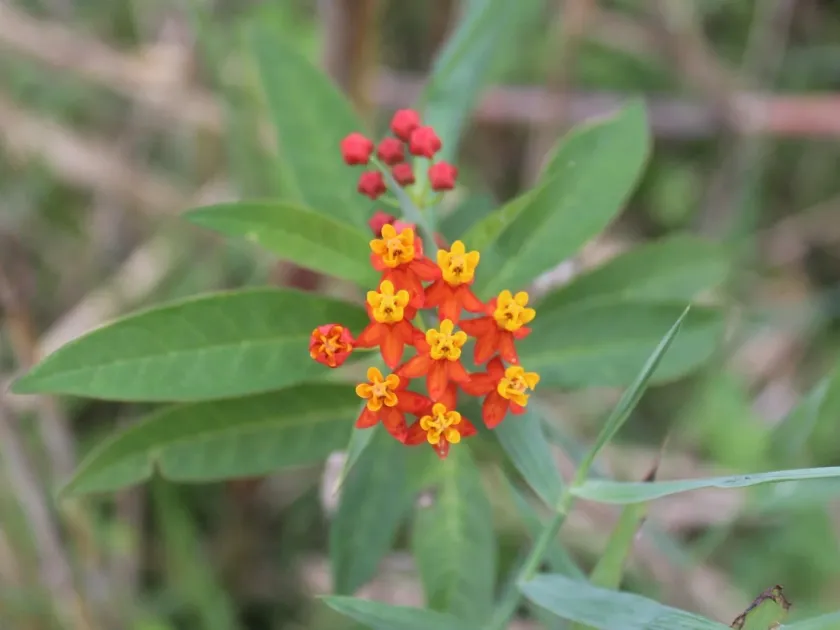
Asclepias curassavica is a tender perennial herb belonging to the Apocynaceae family. It is native to the tropical regions of the Americas and is highly prized for its vibrant red and orange flower clusters.
This species thrives in warm, sunny locations and is highly intolerant of shade. Providing at least six to eight hours of direct sunlight per day is essential for maintaining a compact growth habit and prolific flowering.
The ideal soil profile for the Bloodflower is moderately fertile, sandy, or loamy soil. It is critical that the growing medium possesses excellent drainage properties, as the plant is highly susceptible to root rot in waterlogged conditions.
Watering practices should be consistent, ensuring the root zone remains evenly moist during peak summer months. However, allowing the top inch of soil to dry out between watering sessions can help manage vigor.
Regular fertilization with a balanced, water-soluble fertilizer throughout the spring and summer will enhance plant health. Avoid excessive nitrogen, which promotes lush foliage at the expense of floral development.
Main diseases and pests
Aphids are the most prevalent pest encountered when growing Bloodflower. These insects congregate on the tender stems and flower buds, weakening the plant by extracting sap and potentially transmitting various plant viruses.
Spider mites can become a significant issue in hot, dry weather. They feed on the underside of leaves, causing a stippled, yellowed appearance that eventually leads to premature leaf senescence and abscission.
Mealybugs are another common nuisance, often hiding in the leaf axils. Their presence is usually indicated by a white, cottony substance, which can host sooty mold growth and negatively impact the plant's overall aesthetic.
Root and crown rot represent the most serious pathological threats to this species. These diseases are almost always linked to poor drainage or overwatering, making site selection and soil amendment vital steps in disease prevention.
Integrated pest management, including the use of neem oil and systematic horticultural soap applications, is recommended for keeping these infestations at bay without harming the beneficial pollinators that visit the blooms.