
Odontadenia lutea
Odontadenia lutea
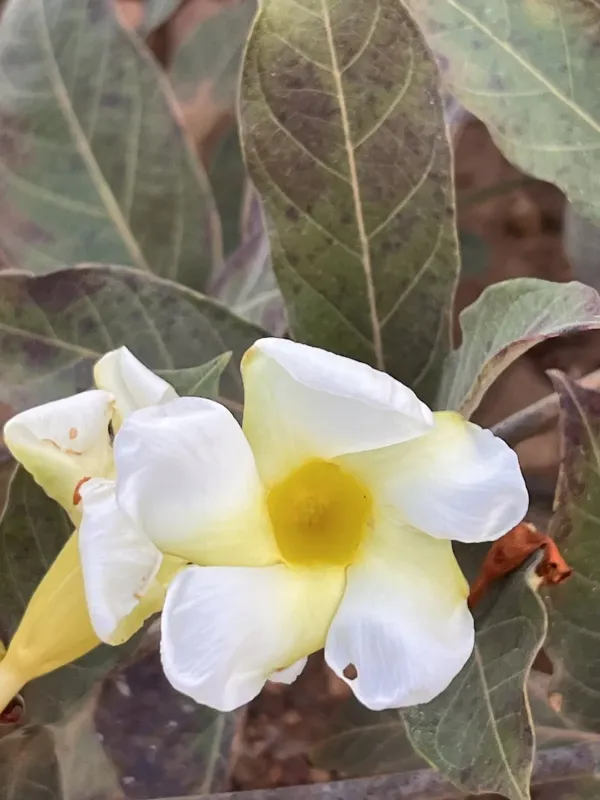
Description
Growing requirements
Odontadenia lutea is a vigorous woody vine belonging to the Apocynaceae family. This species originates from the tropical rainforests of Central and South America, thriving in warm and humid environments.
The plant demands a climate without frost, requiring temperatures consistently above 18°C to maintain healthy growth cycles and prevent cold-induced shock.
It prefers nutrient-rich, well-draining soil with a slightly acidic to neutral pH. A mix of organic matter and coarse sand helps ensure proper root aeration while maintaining moisture.
Optimal light conditions are bright, filtered sunlight. Direct exposure to intense noon sun can lead to leaf scorching, especially when atmospheric humidity is low.
In temperate zones, Odontadenia lutea must be cultivated in greenhouses or conservatories where climate control can protect the vine from fluctuating weather conditions.
Yield
The primary utility of Odontadenia lutea is ornamental. It is highly valued for its large, fragrant, yellow, trumpet-shaped flowers, which make it an excellent choice for vertical gardening.
In tropical landscapes, it is used to cover pergolas, fences, and walls, providing significant biomass coverage and enhancing aesthetic appeal with its vibrant blooms.
Success in its cultivation is measured by the density of the vine coverage and the profusion of flowers produced during the peak growing season.
Regular pruning is an essential management practice. It controls the plant's aggressive growth habit and encourages lateral branching, which in turn leads to a higher floral yield.
Propagation is most efficiently achieved through stem cuttings under high-humidity conditions, ensuring the genetic stability of the ornamental traits.
Main diseases and pests
Common pests associated with this culture include spider mites and mealybugs. These organisms thrive in the protected, often dry air of greenhouse environments.
Fungal infections, such as root rot, are frequent consequences of improper watering practices or poorly drained soil, which prevent oxygen from reaching the roots.
Prevention involves maintaining adequate air circulation and practicing balanced irrigation, ensuring the substrate dries slightly before the next watering cycle.
Integrated pest management strategies, including the use of systemic insecticides and regular manual inspections, are necessary to maintain healthy specimens.
Due to its belonging to the Apocynaceae family, the plant contains toxic latex in its stems and leaves, necessitating the use of protective gloves during pruning and maintenance activities.